
Discover the Transformative Benefits of Fermentation for Enhanced Wellbeing
Fermentation is a time-honoured culinary art that has experienced a remarkable resurgence in contemporary cuisine. This phenomenon is largely driven by an increasing public awareness of health and nutrition. The fermentation process engages microorganisms to convert sugars and organic compounds into acids, alcohol, or gases, thereby preserving food and enhancing its nutritional value. As a result, fermentation is integral to a well-rounded diet. Globally, more individuals are acknowledging the profound influence of gut health on overall wellness. By delving deeper into fermentation, you can enhance your health and experience a more vibrant life.
To truly appreciate the diverse spectrum of fermentation, it’s important to grasp its underlying mechanisms, especially if you’re keen on creating DIY fermented foods: simple recipes that promote a healthier gut. The fermentation process relies on the metabolic activities of beneficial microorganisms. Bacteria and yeasts collaborate to transform everyday foods into probiotic-rich delights. Through fermentation, we produce various foods such as sauerkraut, kimchi, and kombucha, each offering distinctive flavours and health benefits. For instance, the lactic acid bacteria present in these foods help restore the natural equilibrium of gut flora, potentially resulting in improved digestion and a fortified immune system.
If you prefer to listen, click the link below
Embrace the Health Benefits of Fermented Foods in Your Diet
The advantages of integrating fermented foods into your daily diet are extensive and should not be overlooked. These foods are rich in probiotics, which enhance gut health, facilitate digestion, and support a resilient immune system. Additionally, fermented foods significantly improve nutrient absorption. For example, fermentation breaks down complex nutrients, making them more accessible to our bodies. As you embark on your fermentation journey, it is crucial to start with the right equipment—such as jars, weights, and airlocks. Equally important is understanding hygiene and temperature control during fermentation. These elements are vital for ensuring food safety and achieving successful outcomes in your culinary pursuits.
Exploring the myriad types of fermentation can uncover a wealth of flavours and creative possibilities. For instance, lactic acid fermentation imparts a tangy flavour to foods like pickles, while ethanol fermentation is commonly employed in the production of alcoholic beverages. Additionally, acetic acid fermentation is essential in vinegar production, showcasing yet another captivating aspect of fermentation techniques. Each method possesses its own unique charm, offering endless opportunities for creativity and experimentation in your kitchen.
Prioritising Safety: Essential Guidelines for Confident Fermentation
Ensuring safety during the fermentation process is of utmost importance. Although the steps involved in fermentation are relatively simple, risks such as contamination and spoilage can arise if proper practices are not adhered to. It is essential to learn how to sterilise your equipment and monitor the progress of your ferments. Additionally, recognising signs of spoilage is a critical skill, whether you're a beginner or an experienced fermenter. By following safety guidelines, you significantly reduce the risks associated with spoilage and contamination.
Essential Ingredients for Successful Fermentation Endeavours
Choose Organic: The Importance of Fresh Vegetables
Selecting high-quality ingredients is fundamental to achieving successful fermentation results. Fresh, organic vegetables such as cabbage, cucumbers, and carrots serve as excellent starting points due to their natural sugar content and high water content, both of which are vital for fermentation. Opting for organic produce adds even more value, as it often contains beneficial bacteria essential for effective fermentation. When you source your ingredients from local farmers' markets or grow your own, you not only enhance the flavour of your ferments but also support sustainable farming practices that contribute to healthier ecosystems.
Mastering Salt: Achieving the Ideal Brine Ratio
Salt plays a crucial role in the fermentation process, acting as a natural preservative. It extracts moisture from the vegetables, creating a brine that promotes the growth of beneficial bacteria while inhibiting harmful microbes. Striking the right balance of salt is vital; excessive salt can hinder fermentation, while inadequate salt may lead to spoilage. You can explore various types of salt, such as sea salt or Himalayan pink salt, which can impart unique flavours to your ferments and enhance their overall appeal.
Enhancing Flavours: The Role of Spices and Herbs in Fermentation
Integrating spices and herbs into your fermentation process can elevate your culinary experience by adding layers of complexity and flavour. For instance, including spices like dill, garlic, and mustard seeds can transform a basic batch of sauerkraut into a culinary masterpiece. Likewise, herbs such as bay leaves and peppercorns can introduce subtle aromatic qualities that enhance the overall taste profile. The beauty of fermentation lies in its adaptability, allowing you to tailor your creations to reflect personal preferences or draw inspiration from global culinary traditions.
Understanding the role of each ingredient is pivotal in your fermentation journey. A harmonious balance of flavours, textures, and aromas makes your DIY fermented foods both enjoyable and beneficial. These elements work together to promote your health and enhance your overall culinary experience while satisfying your taste buds. When you delve into global cuisines, the possibilities feel endless, as you can draw inspiration from a myriad of cultures and their traditional fermentation methods.
Global Culinary Inspiration: Fermenting with Local and Unique Ingredients
As you gather your ingredients, consider the geographical diversity of vegetables available in various regions. For example, cabbage is a staple in European ferments, whereas individuals in tropical areas often utilise fruits like mangoes or papayas due to their exceptional fermenting qualities. By exploring ingredients from around the world, you open the door to exciting new flavours that connect you with your culinary heritage or introduce you to entirely new taste experiences.
Master the Art of Basic Fermentation Techniques for Home Cooking
Lacto-Fermentation: The Timeless Gut-Health Champion
The world of fermentation unveils a treasure trove of opportunities, offering various techniques that cater to diverse tastes and preferences. One of the most popular methods is lacto-fermentation, which utilises lactic acid bacteria to preserve and ferment vegetables. This process allows for a wide range of flavours and textures, resulting in beloved staples like sauerkraut and kimchi. The tangy notes from lactic acid lend a distinctive character to these dishes, earning them admiration from enthusiasts worldwide.
Water-Brine Method: Create Crunchy Pickles with Personalised Flavours
Diving into the water-brine fermentation technique reveals an effective method that involves submerging vegetables in a saltwater brine. This approach works exceptionally well for crafting pickles and other crunchy ferments, helping the vegetables maintain their crispness while developing flavour over time. The process typically takes anywhere from a few days to several weeks, depending on the surrounding temperature and your desired taste. This method offers abundant opportunities for variation, allowing you to experiment with different spices and flavours to suit your preferences.
The dry-salting technique presents another simple yet effective approach to fermentation. By sprinkling salt directly onto vegetables, you can extract their natural juices, creating the brine necessary for successful fermentation. This method is particularly effective for leafy greens, encouraging moisture release and forming the brine needed for effective fermentation. The simplicity of this technique makes it accessible for beginners while still providing ample opportunities for flavour enhancement and creativity.
Crafting Fermented Drinks: Mastering Kefir and Kombucha
Fermentation techniques such as kefir and kombucha offer exciting alternatives that transform milk and tea into probiotic-rich beverages. These methods utilise kefir grains or a SCOBY (a symbiotic culture of bacteria and yeast) to produce fizzy, tangy drinks brimming with health benefits. Kombucha, in particular, has gained immense popularity worldwide, celebrated for its refreshing effervescence and support for gut health and overall wellness.
The techniques you choose will ultimately depend on your personal preferences and culinary aspirations. Each method offers distinct flavours and benefits, allowing you to explore the rich realm of DIY fermented foods: easy recipes for a healthier gut. Embracing these techniques empowers you to create an array of delightful fermented foods that can enhance your meals and support your health simultaneously.
Explore Popular Fermented Foods to Enrich Your Diet
Sauerkraut: A Cherished Tangy Classic
Among the expansive selection of fermented foods, sauerkraut stands out as a beloved staple. Crafted from finely shredded cabbage mixed with salt, sauerkraut undergoes fermentation, resulting in a tangy, probiotic-rich condiment. This classic dish has roots in various cultures, from Germany to Eastern Europe, with each region contributing its distinct twist. Sauerkraut can be enjoyed in numerous ways—on sandwiches, in salads, or as a side dish—making it a versatile addition to any meal and allowing you to savour its health benefits in diverse forms.
 Kimchi: Spicy, Bold, and Rich in Probiotics
In contrast, kimchi is a spicy Korean ferment that has garnered international acclaim. Typically crafted from napa cabbage, radishes, and a variety of seasonings, kimchi delivers a delightful zing to the palate. The fermentation process not only intensifies its flavour but also offers a wealth of health benefits. Kimchi is packed with probiotics and vitamins, making it excellent for gut health, while its vibrant and spicy flavours provide an exhilarating culinary adventure.
Dill Pickles: Crunchy, Zesty, and Irresistibly Delicious
Pickled cucumbers, affectionately known as dill pickles, offer another refreshing option within the realm of fermentation. Their crunchy texture and zesty flavour make them a favourite snack and a delightful addition to various dishes. The pickling process involves immersing cucumbers in a brine solution, which can include an array of spices and herbs. This method not only preserves the cucumbers but also transforms them into a delectable treat that elevates any meal.
Beyond the Basics: Discover Miso, Kefir, and a World of Flavours
Venturing beyond these popular selections unveils a vast array of fermented foods awaiting your exploration. Miso paste offers a tangy richness, while kefir brings a light, effervescent appeal. Each fermented product possesses its unique flavour and health benefits. As you navigate the world of DIY fermented foods and easy recipes for a healthier gut, take the time to experiment with different techniques. This hands-on approach allows you to discover what best suits your taste and lifestyle, enriching your culinary repertoire.
Embracing these fermented foods not only enhances your overall health but also connects you to diverse global culinary traditions. When you share these dishes with friends and family, you offer more than just delightful food; you introduce them to a rich tapestry of flavours and cultural heritage, making your culinary journey even more fulfilling and significant.
Dive into the World of Fermenting Fruits and Dairy Products
Fermented fruit chutneys present a delightful avenue for incorporating the benefits of fermentation into your diet while adding vibrant flavours to your meals. When you ferment fruits like mangoes and apples with spices, you create zesty chutneys that are bursting with flavour. These chutneys pair beautifully with a wide array of dishes, offering a tangy sweetness that enhances the overall taste of your meals. They also support gut health and are perfect accompaniments for curries, sandwiches, and cheese platters.
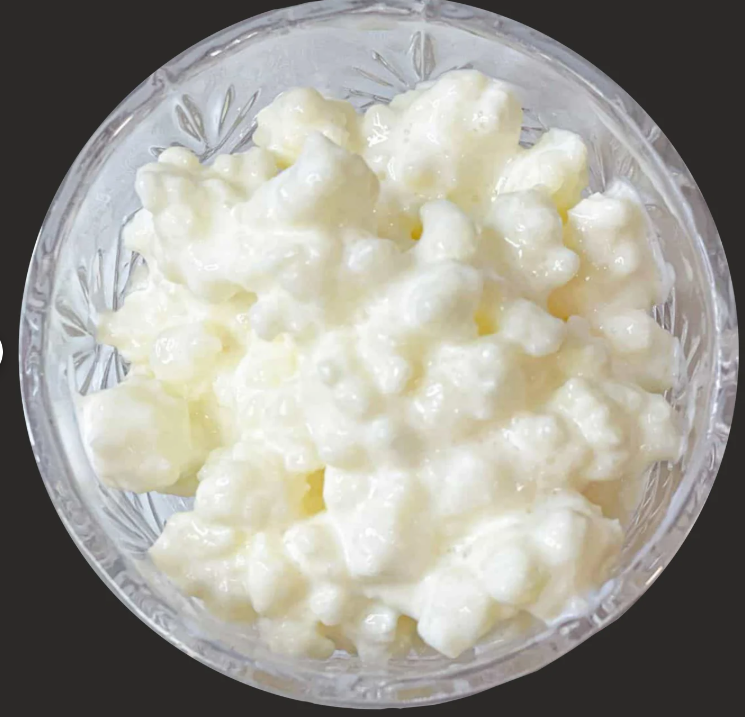
Probiotic-Rich Dairy Products: Easy Yogurt and Kefir Making
Yoghurt and kefir are two dairy products abundant in probiotics, providing numerous health benefits. By fermenting milk with live cultures, you create creamy, tangy yoghurt that can be enjoyed in various ways—as a breakfast staple, a smoothie base, or a refreshing dip.
In contrast, kefir boasts a thinner consistency and a slightly effervescent quality, making it an excellent drink for promoting gut health. Both yoghurt and kefir can be easily made at home, allowing for experimentation with flavours and ingredients to match your preferences.
Fizz with Benefits: Refreshing Fermented Fruit Juices to Enjoy
Fermented fruit juices represent an exciting frontier within the fermentation landscape. By fermenting fruit juices, you can craft healthy, fizzy beverages that are both refreshing and beneficial for gut health.
These drinks can range from simple apple cider to more complex blends such as ginger-pineapple or beet-carrot. They provide a delightful way to stay hydrated while enjoying the benefits of probiotics. As you experiment with fermenting fruits and dairy, you'll discover a variety of flavours and textures that can add depth and excitement to your culinary creations.
The versatility of these ingredients empowers you to tailor recipes based on seasonal produce, personal preferences, or cultural inspirations. Embrace the creativity inherent in DIY fermented foods: easy recipes for a healthier gut and revel in the endless possibilities that fermentation offers.
The journey of fermentation transcends mere food preservation; it celebrates flavours, cultures, and health. When you incorporate fermented fruits and dairy into your meals, you move towards a more balanced diet while exploring the rich and diverse world of global culinary traditions.
Frequently Asked Questions About Fermentation
What is the easiest fermented food for beginners?
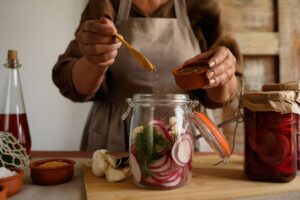 Sauerkraut is frequently recommended for novices due to its straightforward process and minimal ingredient requirements. With just cabbage and salt needed, it serves as an easily accessible project for anyone eager to explore the fascinating world of fermentation.
How long does fermentation typically take for foods to be ready for consumption?
The duration of fermentation can vary significantly depending on the type of food and environmental conditions. Generally, most vegetable ferments require approximately 1 to 4 weeks to develop flavour, while dairy ferments such as yoghurt may only take several hours to a day.
Can I use regular table salt for my fermentation projects?
While table salt can be used, it is advisable to opt for non-iodised salts like sea salt or kosher salt. These alternatives do not contain additives that could hinder the fermentation process and can enhance the flavour of your ferments.
How can I tell if my ferment has spoiled?
Signs of spoilage include unpleasant odours, unusual colours, or the presence of mould. If your ferment emits a sour or rancid smell rather than a pleasantly tangy aroma, it is best to discard it to avoid any potential health risks.
Are there health benefits associated with consuming fermented foods?
Indeed, fermented foods are rich in probiotics, which can enhance digestion, strengthen the immune system, and improve nutrient absorption. They are also linked to various health benefits, including better gut health and potential mood regulation.
Can I ferment fruits using the same methods as vegetables?
Yes, fruits can be fermented, although the process may differ slightly. Due to their higher sugar content, fruits often ferment more quickly. Fermented fruit chutneys or juices are popular options that yield delightful results.
Is it necessary to use a fermentation weight?
While using a fermentation weight is not mandatory, it is highly recommended. Weights help keep the vegetables submerged in the brine, reducing the risk of exposure to air and potential spoilage.
Can I enhance the flavour of my ferments with herbs and spices?
Absolutely! Incorporating herbs and spices can significantly elevate the flavour and complexity of your ferments. Ingredients such as garlic, dill, and mustard seeds can impart distinctive tastes to your fermented creations.
What is the best method for storing my fermented foods?
After fermentation, it is advisable to place your fermented foods in airtight containers and store them in the refrigerator to slow down the fermentation process. This helps preserve their flavour and maintains their health benefits for an extended period.
Can I ferment non-dairy milk?
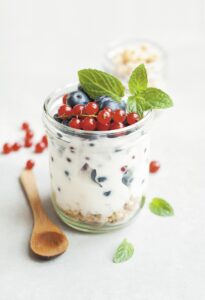 Yes, non-dairy milk can indeed be fermented to create delicious plant-based yoghurts. By using options such as coconut, almond, or soy milk along with appropriate starter cultures, you can achieve a probiotic-rich alternative to dairy products.
Join us on Facebook for more tips and recipes!
The Article: DIY Fermented Foods: Easy Recipes for a Healthier Gut appeared first on https://janestevensnutrition.com


