Unlocking the Transformative Advantages of Ashwagandha for Cortisol Reduction
Understanding Ashwagandha: The Esteemed “King of Herbs”

Ashwagandha, often hailed as the “king of herbs,” is a remarkable adaptogenic herb deeply rooted in the traditions of ancient Indian medicine. Its prominence within Ayurvedic practice stems from its extraordinary ability to mitigate stress, and the exploration of how ashwagandha reduces cortisol levels is becoming increasingly relevant in modern wellness discussions. Known scientifically as Withania somnifera, this potent herb is celebrated for enhancing vitality and countering fatigue. Historically, ashwagandha has been embraced for its immune-boosting properties, energy enhancement, and promotion of longevity. Its potential to effectively lower cortisol levels has spurred its rising popularity in the UK, where effective stress management is vital. The adaptogenic properties of ashwagandha empower the body to respond adeptly to stressors, making it an invaluable ally for those grappling with the strains of modern life, from workplace pressures to familial obligations and urban stressors.
The remarkable efficacy of ashwagandha can be attributed to its bioactive compounds, particularly withanolides, which are instrumental in its therapeutic effects. These compounds synergistically promote hormonal balance, facilitating the reduction of cortisol levels that may surge due to chronic stress. Recently, ashwagandha has become accessible in various formats, including capsules, powders, and liquid extracts, catering to a diverse audience across the UK. As the trend towards natural remedies continues to rise, ashwagandha stands out as an appealing option for individuals seeking holistic approaches to enhance their well-being.
Prefer to listen? Click below
Diving Deeper into Cortisol: Its Functions and Implications
Cortisol, commonly known as the “stress hormone,” is produced by the adrenal glands and plays a pivotal role in numerous physiological processes. It is fundamentally involved in regulating metabolism, controlling blood sugar levels, and influencing the immune response, all of which contribute to maintaining homeostasis.
When cortisol levels remain elevated due to persistent stress, a range of health problems may arise. These can include anxiety, depression, weight gain, and sleep disturbances. In the fast-paced environment of the UK, many individuals juggle demanding jobs, family commitments, and social obligations, making the management of high cortisol levels a significant concern.
The body’s inherent stress response involves the activation of the hypothalamic-pituitary-adrenal (HPA) axis, which orchestrates cortisol secretion in reaction to perceived threats. Although this response is crucial for immediate survival, its prolonged activation can result in serious health complications. Acknowledging the necessity of cortisol balance is essential for effective stress management. In light of increasing mental health awareness in the UK, the investigation of natural methods to regulate cortisol levels through herbs like ashwagandha is growing in popularity among health-conscious individuals.
Investigating the Connection Between Ashwagandha and Cortisol Reduction
The relationship between ashwagandha and cortisol presents an intriguing area of research, highlighting the herb's potential role in effective stress management. Numerous studies have illustrated that ashwagandha not only contributes to lowering cortisol levels but also enhances the body’s resilience against stress. For individuals living in the UK, where stress-related health issues are prevalent, understanding the significance of ashwagandha in the broader health narrative is crucial.
Research indicates that ashwagandha can significantly diminish cortisol levels in individuals experiencing chronic stress. In a recent clinical trial, participants who consumed ashwagandha extract showed a marked reduction in cortisol levels compared to those in a placebo group. This finding is particularly relevant for urban dwellers in bustling cities like London and Manchester, where stressors abound and mental well-being frequently suffers. Furthermore, ashwagandha fosters a sense of calm and relaxation, contributing to improved sleep quality and enhanced mental clarity, thereby forming a holistic approach to stress management.
In essence, the interplay between ashwagandha and cortisol illustrates a powerful natural remedy that aligns with the growing inclination towards herbal solutions for stress relief and overall wellness. For readers in the UK seeking effective strategies to manage stress and improve their quality of life, ashwagandha emerges as a promising option, offering not just temporary relief but a sustainable method for maintaining hormonal balance.
Understanding the Mechanisms Behind Ashwagandha’s Effects
How Ashwagandha Modulates Cortisol and Stress Responses
The capacity of ashwagandha to regulate cortisol levels is deeply rooted in its significant influence on the hypothalamic-pituitary-adrenal (HPA) axis. This complex system governs the body’s response to stress, and when disrupted, it can lead to heightened cortisol production. By modulating this axis, ashwagandha aids in restoring balance, ensuring that cortisol release is more aligned with the body’s genuine stress responses.
The distinctive phytochemical profile of ashwagandha enables it to interact with neurotransmitter systems, fostering a more balanced reaction to stress. Research indicates that ashwagandha enhances GABAergic activity, which is vital for inducing relaxation and alleviating anxiety. For individuals in the UK who often feel overwhelmed by work or personal demands, understanding the mechanisms of ashwagandha can provide a natural alternative to pharmacological treatments, such as anti-anxiety medications.
Regular supplementation with ashwagandha is closely linked to significant enhancements in overall well-being. Users frequently report increased energy, reduced anxiety, and improved readiness to tackle daily challenges. In an era where mental health is increasingly prioritised, ashwagandha presents a viable option for those seeking to enhance their emotional resilience without the side effects typically associated with synthetic alternatives.
Effectively Modulating Stress Pathways
Ashwagandha’s ability to regulate stress pathways is among its most remarkable attributes. Research indicates that this herb significantly reduces cortisol production during stressful situations, which is especially beneficial for individuals facing acute stress, whether from deadlines, exams, or personal challenges. By dampening the stress response, ashwagandha not only lowers cortisol levels but also alleviates the accompanying physical and emotional manifestations of stress.
In the UK, where achieving a balanced work-life dynamic often seems elusive, incorporating ashwagandha into a daily routine may empower individuals to manage their stress responses more effectively. The adaptogenic qualities of ashwagandha enable the body to react more appropriately to various stressors, leading to improved resilience and mental clarity. Engaging with natural stress management strategies, such as ashwagandha supplementation, can be transformative for those confronting high-pressure scenarios.
Moreover, ashwagandha’s potential to enhance cognitive function during stressful periods should not be overlooked. Studies suggest that individuals supplementing with ashwagandha demonstrate improved cognitive performance and reduced anxiety levels. For students in the UK, this could translate into enhanced focus during exam times, while professionals may find themselves better prepared to manage demanding projects.
Exploring the Long-Term Benefits of Ashwagandha on Cortisol Management
The long-term benefits of ashwagandha in reducing cortisol levels are increasingly substantiated by research. Consistent supplementation with this adaptogenic herb has been associated with sustained reductions in cortisol, providing a proactive strategy for managing chronic stress. This is particularly pertinent for those residing in high-pressure environments, such as bustling cities or demanding workplaces.
Clinical studies have revealed that participants who regularly consumed ashwagandha over several weeks experienced significant declines in cortisol levels. For individuals in the UK seeking a trustworthy, natural solution for stress relief, the ability of ashwagandha to lower cortisol positions it as a powerful addition to any wellness regimen. With additional advantages such as improved sleep quality, enhanced mood, and bolstered immune function, ashwagandha stands out as a valuable ally in long-term stress management.
Furthermore, prolonged use of ashwagandha has been linked to an overall sense of well-being, as users often report heightened energy levels and enhanced mood. As society increasingly acknowledges the importance of mental health, the enduring benefits of ashwagandha provide an encouraging pathway for individuals aiming to improve both their physical and emotional health.
Ashwagandha's Role in Modulating Neurotransmitter Dynamics
The effects of ashwagandha extend beyond cortisol regulation; it also plays a crucial role in modulating neurotransmitter levels. Specifically, the herb influences the production of serotonin and gamma-aminobutyric acid (GABA), both of which are vital for mood regulation and alleviating anxiety. By boosting serotonin levels, ashwagandha aids in diminishing symptoms of depression and enhancing overall emotional health.
For individuals in the UK, where mental health concerns are increasingly acknowledged, understanding the neurological benefits of ashwagandha can significantly assist those seeking natural remedies. The calming effects associated with increased GABA levels can further alleviate anxiety, making ashwagandha a powerful ally for anyone navigating the complexities of contemporary life.
Moreover, individuals who incorporate ashwagandha into their wellness routines often report improved sleep quality, thanks to its soothing effects on the nervous system. For those dealing with insomnia or frequent sleep disturbances, ashwagandha supplements can offer a natural remedy to enhance sleep hygiene. Ultimately, ashwagandha's capacity to influence neurotransmitter levels positions it at the forefront of natural strategies for stress management, making it particularly appealing for those pursuing emotional equilibrium.
Exploring Ashwagandha's Antioxidant and Anti-inflammatory Benefits
In addition to its adaptogenic attributes, ashwagandha’s antioxidant and anti-inflammatory properties play a crucial role in its ability to address stress-related ailments. Chronic stress often results in oxidative stress, potentially damaging cells and leading to a variety of health issues. The potent antioxidant properties of ashwagandha aid in neutralising free radicals, thereby protecting the body from oxidative harm.
For individuals residing in the UK, where lifestyle factors such as poor diet and elevated pollution levels can exacerbate oxidative stress, incorporating ashwagandha may serve as a protective measure against these detrimental effects. The herb’s capacity to reduce inflammation further enhances its effectiveness, particularly for those suffering from stress-induced conditions like headaches, gastrointestinal discomfort, or autoimmune disorders.
Clinical studies have demonstrated that ashwagandha can lower markers of inflammation within the body, thereby promoting overall health. This means that ashwagandha not only helps to regulate cortisol levels but also provides a comprehensive strategy for alleviating the stress response. As health-conscious individuals increasingly seek to understand the multifaceted benefits of ashwagandha, it emerges as a compelling option for those desiring to enhance their overall well-being in the face of modern stressors.
Evidence from Research and Clinical Investigations
Key Insights from Scientific Investigations
The scientific community is increasingly interested in the effects of ashwagandha on cortisol levels, leading to a substantial number of studies that support its benefits. Multiple clinical trials have examined its adaptogenic properties and its potential to mitigate stress. Many of these studies focus specifically on ashwagandha’s ability to lower cortisol levels, yielding compelling evidence that this herb is not merely a traditional remedy but also a scientifically-backed option for stress management.
 In the UK, where awareness surrounding mental health is steadily growing, research into natural supplements has gained considerable traction. As individuals seek alternatives to traditional pharmaceuticals, understanding the evidence supporting ashwagandha's efficacy empowers them to make informed health choices. The body of research suggests that ashwagandha operates by regulating the HPA axis and modulating the stress response, leading to reduced cortisol production.
Moreover, the expanding body of studies published in reputable journals not only solidifies the herb's credibility but also encourages healthcare professionals to consider ashwagandha as a viable option for patients dealing with stress and anxiety. The movement towards evidence-based natural remedies aligns with the ethos of many individuals in the UK who aspire to take control of their health through informed choices.
Noteworthy Findings from Clinical Trials
Clinical trials investigating the impact of ashwagandha on cortisol levels have produced encouraging results. One notable study found that participants who consumed ashwagandha supplements experienced a considerable reduction in cortisol levels compared to those given a placebo. These results suggest that ashwagandha could effectively alleviate stress and anxiety, making it an appealing choice for individuals grappling with the challenges of modern life.
Another study reinforced these findings, revealing that participants reported improved mood and decreased anxiety levels after taking ashwagandha over several weeks. These outcomes are particularly relevant for those in the UK, where mental health challenges are widespread, and the quest for effective natural solutions is growing. The clinical evidence indicates that ashwagandha not only proves effective but also extends its benefits to various aspects of mental health, from mood enhancement to anxiety relief.
The key takeaway from these trials is that ashwagandha is not just a fleeting trend; it stands as a serious contender in the realm of stress management. Scientific evidence increasingly supports the integration of ashwagandha into a holistic approach for individuals seeking to balance their cortisol levels and enhance overall well-being.
Addressing Research Limitations and Future Directions
While the current body of evidence surrounding ashwagandha is promising, it is essential to recognise the limitations present in existing studies. Many trials feature small sample sizes or varying methodologies, which can affect the reliability of the results. Additionally, most studies have focused on short-term outcomes, leaving questions regarding the long-term safety and efficacy of ashwagandha largely unresolved.
Future research should aim to conduct larger, more comprehensive studies that validate the benefits of ashwagandha over extended periods of use. Such investigations could reveal optimal dosing strategies and identify potential interactions with other supplements or medications. For residents in the UK considering ashwagandha as a long-term solution for stress management, understanding these limitations is crucial for making informed decisions.
Furthermore, exploring the effects of ashwagandha across diverse demographic groups, including variations in age and gender, could yield valuable insights. Tailored supplementation approaches may enhance the herb's efficacy, catering to individual needs and health conditions. As research progresses, the potential for ashwagandha to become a staple in the field of stress management continues to grow, promising a future where natural remedies seamlessly integrate into holistic health strategies.
Comparative Analysis with Other Natural Supplements
The market for natural supplements aimed at stress reduction is vast, with numerous options vying for attention. However, studies that compare ashwagandha with other cortisol-lowering supplements often demonstrate that it frequently outperforms its competitors in key areas. For instance, while herbs such as rhodiola and holy basil also exhibit adaptogenic properties, ashwagandha has consistently shown more substantial reductions in cortisol levels in clinical trials.
For individuals in the UK exploring stress management solutions, understanding the comparative effectiveness of ashwagandha can guide their choices. Evidence suggests that ashwagandha not only effectively reduces cortisol but may also enhance mood and improve cognitive function more robustly than some alternatives. This positions ashwagandha as a compelling option for anyone seeking a comprehensive approach to mental well-being.
Additionally, the versatility of ashwagandha is another factor that sets it apart. Available in various forms, including powders, capsules, and liquids, individuals can easily integrate it into their daily routines. This accessibility further solidifies ashwagandha's status as a leading choice for those seeking to manage stress naturally and effectively.
Examining Participant Demographics and Their Responses
Research indicates that individual reactions to ashwagandha can vary significantly based on factors such as age, gender, and overall health status. For instance, younger adults may experience different effects compared to older adults, highlighting the need for tailored dosing strategies. Furthermore, women may respond differently to ashwagandha's cortisol-lowering effects than men, underscoring the importance of more targeted research.
Understanding the demographics of study participants can refine recommendations for the use of ashwagandha among diverse groups in the UK. For example, individuals with pre-existing health conditions or those taking specific medications should consult with healthcare professionals to determine the most suitable approach to supplementation. This personalised strategy ensures that ashwagandha can be effectively integrated into a wide array of health plans.
The variability in responses also underscores the need for further research to investigate the underlying mechanisms that drive these differences. As the scientific community continues to explore ashwagandha, greater insights into its effects across various demographics will emerge, promoting personalised health solutions for individuals aiming to manage their stress and cortisol levels adeptly.
Essential Guidelines for Dosage and Administration
Establishing Effective Dosage Recommendations for Ashwagandha
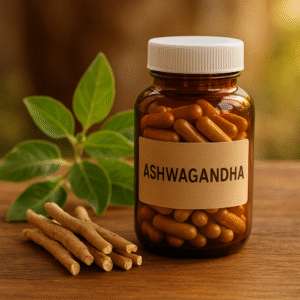 Determining the optimal dosage of ashwagandha for cortisol reduction is crucial for achieving the best results. Typical dosages range from 300 to 600 mg per day, depending on individual health status and specific requirements. For those new to ashwagandha, it is advisable to start at the lower end of this dosage range and gradually increase it to assess tolerance and effectiveness.
For residents in the UK, it is essential to consider factors such as lifestyle, stress levels, and overall health when establishing a personalised dosing regimen. Consulting with a healthcare professional can facilitate informed decisions, ensuring that ashwagandha is used safely and effectively. This is particularly crucial for individuals with underlying health conditions or those taking other medications, as tailored advice may be necessary.
Moreover, understanding the timing of ashwagandha intake can also influence its effectiveness. For those aiming to manage stress throughout the day, dividing the daily dosage into two or three smaller servings may yield better results. By synchronising ashwagandha intake with personal routines, users can maximise its benefits and experience sustained relief from stress and anxiety.
Exploring the Available Forms of Ashwagandha
Ashwagandha is offered in several forms, each presenting unique advantages regarding concentration and bioavailability. The most common forms include capsules, powders, and liquid extracts. Capsules are convenient for busy individuals, delivering a precise dosage without the need for measuring. In contrast, powders can be effortlessly incorporated into smoothies, teas, or meals, offering greater versatility in consumption.
The bioavailability of ashwagandha varies by form—some extracts provide more concentrated active compounds than powders. Therefore, selecting high-quality products from reputable suppliers is crucial. In the burgeoning supplement market in the UK, consumers should be discerning to ensure they receive the full benefits.
Moreover, understanding the processing and preparation methods of different forms of ashwagandha can further enhance its efficacy. For instance, some products are standardised to a specific withanolide content, allowing users to target the desired effects more precisely. This level of specificity can be particularly advantageous for individuals seeking targeted stress relief or emotional balance.
Implementing Best Practices for Ashwagandha Usage
To optimise the benefits of ashwagandha for cortisol reduction, it's important to adhere to certain best practices. Consistency is key; incorporating ashwagandha into a daily routine can lead to more sustained effects over time. Furthermore, combining ashwagandha supplementation with other stress management techniques, such as mindfulness practices and regular exercise, can enhance its efficacy.
Establishing a balanced routine that includes nutritious eating, sufficient sleep, and physical activity will complement the effects of ashwagandha, reinforcing the body’s ability to manage stress effectively. For UK residents leading busy lives, integrating ashwagandha into their overall wellness strategy can serve as a proactive measure against chronic stress.
Additionally, being mindful of individual reactions to ashwagandha is essential. Monitoring changes in stress levels, mood, and overall well-being can help users evaluate the supplement's effectiveness and make necessary adjustments. For those in the UK, understanding the multi-faceted approach to stress management can empower them to take charge of their health journey and incorporate ashwagandha into a holistic lifestyle, reaping its benefits.
Evaluating Possible Side Effects and Safety Considerations
Recognising Common Side Effects of Ashwagandha
While ashwagandha is generally regarded as safe for most individuals, it may cause mild side effects in some cases. Commonly reported issues include stomach upset, drowsiness, and gastrointestinal discomfort. These effects are typically temporary and can often be alleviated by adjusting the dosage or taking ashwagandha with food.
For residents in the UK, it is essential to be attuned to how their bodies respond to ashwagandha, particularly during the initial stages of supplementation. Monitoring any side effects can provide important insights into personal tolerance, allowing for more informed choices regarding future use. If side effects persist or intensify, consulting a healthcare professional is advisable to ensure safety and efficacy.
Ultimately, understanding potential side effects can help individuals navigate their wellness journey with greater confidence. By proactively addressing any adverse reactions, users can continue to leverage the stress-relieving benefits of ashwagandha while minimising discomfort.
Contraindications and Precautions for Ashwagandha Use
Certain individuals should exercise caution when considering ashwagandha supplementation. Those with specific medical conditions, such as autoimmune disorders or thyroid issues, should consult a healthcare provider before integrating ashwagandha into their regimen. Additionally, individuals taking medications that affect cortisol levels or interact with natural supplements should be particularly vigilant.
Healthcare professionals recommend that pregnant or breastfeeding women avoid ashwagandha unless they receive specific guidance. Given the herb's potent effects on hormonal balance, it is crucial to ensure its safety for both mother and child. In the UK, where health regulations are stringent, consulting a healthcare provider can help individuals make informed decisions about their wellness journeys.
Being proactive about potential contraindications is essential for safely integrating ashwagandha into daily life. By understanding personal health situations and seeking guidance, users can optimise their experience and enjoy the benefits of this powerful herb without unnecessary risks.
Evaluating the Safety Profile of Ashwagandha
The safety profile of ashwagandha is generally favourable, supported by a long history of traditional use that reinforces its credibility. Most individuals can take ashwagandha without experiencing serious side effects, making it a popular choice for managing stress. However, ongoing research continues to investigate the long-term safety of ashwagandha, particularly regarding high doses or prolonged use.
For people in the UK exploring ashwagandha for chronic stress, knowing it has a good safety profile can be reassuring. Research suggests that ashwagandha is generally safe to use. It can be incorporated into a health routine, especially when combined with other healthy lifestyle habits. As more people turn to natural remedies, safety will continue to be a top priority. This will help ensure that ashwagandha remains a trusted choice for stress relief.
Ultimately, its strong safety profile supports ashwagandha’s role as a valuable tool. It can assist those striving to manage stress and cope with the demands of modern life.
Identifying Rare Side Effects
While rare, some individuals may experience more severe side effects from ashwagandha, such as liver toxicity or allergic reactions. These responses are uncommon but warrant attention, particularly for those with underlying health conditions or sensitivities. Recognising the signs of an allergic reaction, such as rash, itching, or difficulty breathing, is crucial for prompt intervention.
Being aware of these potential rare side effects can help foster a more informed approach to ashwagandha use. Should any unusual symptoms arise after taking ashwagandha, seeking immediate medical advice is vital to ensure safety and address any concerns.
Furthermore, individuals with allergies to nightshade plants should exercise caution, as ashwagandha belongs to this family. Understanding personal sensitivities can help make informed choices regarding supplementation.
Understanding Dosage and Risks of Overdose
Adhering to recommended dosages is critical for optimising the benefits of ashwagandha while minimising potential risks. Excessive intake can lead to adverse effects, including gastrointestinal distress, headaches, or more severe reactions. In the UK, where individuals are increasingly health-conscious, being mindful of dosage can prevent unnecessary complications.
For those new to ashwagandha, starting with a lower dose and gradually increasing it allows users to gauge their tolerance to the herb. Consulting with a healthcare professional can provide additional insights into safe dosage practices. This is particularly important for individuals with specific health concerns or those on other medications.
Ultimately, understanding the importance of dosage ensures that ashwagandha can be effectively integrated into daily routines as a powerful tool for managing stress and promoting overall well-being.
Maximising the Effects of Ashwagandha through Complementary Methods
Implementing Lifestyle Changes for Enhanced Benefits
Incorporating ashwagandha into a lifestyle that prioritises holistic health can significantly amplify its effects on stress reduction. Regular physical activity, a balanced diet, and adequate sleep form the foundational components that complement the herb’s benefits. For individuals in the UK, embracing physical activities such as walking, cycling, or yoga can bolster the body’s resilience against stress while maximising the effects of ashwagandha.
Moreover, nutrition plays a pivotal role in managing stress levels. Consuming foods rich in antioxidants and omega-3 fatty acids can support overall health, creating an environment in which ashwagandha can thrive.
Choosing whole foods can enhance the body’s capacity to handle stress. This, in turn, makes ashwagandha even more effective. Adopting these healthy habits supports a more integrated approach to wellness, enabling individuals to reap the benefits of ashwagandha while also fostering long-term resilience to stress. In today’s fast-paced world, incorporating ashwagandha into a healthy lifestyle can help strengthen mental and emotional well-being.
Complementary Supplements and Herbs for Enhanced Efficacy
Ashwagandha's versatility extends to its compatibility with other supplements and herbs that aim to reduce stress. When combined with complementary natural remedies, the effects of ashwagandha can be significantly enhanced. For example, pairing ashwagandha with magnesium or L-theanine may result in a synergistic effect, further promoting relaxation and alleviating anxiety.
Individuals might also explore combinations with other adaptogens such as rhodiola or holy basil. Research suggests that such combinations can amplify overall stress-relieving effects, offering a comprehensive strategy to address both acute and chronic stress.
Nonetheless, care should be taken to monitor individual responses to these combinations. Consulting with a healthcare professional can ensure safety and efficacy, particularly when blending multiple supplements. By approaching herbal supplementation with intention, users can tailor their wellness strategies to meet their unique needs.
Integrating Mindfulness Practices with Ashwagandha for Optimal Results
Combining ashwagandha with mindfulness techniques, such as meditation or yoga, can significantly enhance its stress-reducing effects. Regular mindfulness practice fosters greater awareness of thoughts and emotions, promoting a sense of calm and emotional balance. For individuals residing in the UK, incorporating mindfulness into daily routines can complement the benefits of ashwagandha.
Research has demonstrated that mindfulness practices can help lower cortisol levels and improve overall mental health. By pairing ashwagandha with these techniques, individuals may experience deeper relaxation and enhanced emotional resilience. Mindfulness can be practised in various forms, including guided meditation, breathwork, and gentle yoga, all of which are effective for relaxation. These practices provide a comprehensive approach to stress management and work harmoniously alongside the adaptogenic effects of ashwagandha.
In essence, combining ashwagandha with mindfulness practices creates a holistic strategy for managing stress and promoting overall health. This well-rounded approach empowers individuals to navigate everyday challenges with greater ease and confidence.
Addressing Frequently Asked Questions about Ashwagandha
What is ashwagandha?
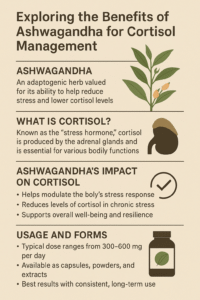 Ashwagandha is an adaptogenic herb traditionally used in Ayurvedic medicine, recognised for its stress-relieving properties and ability to help regulate cortisol levels.
How does ashwagandha reduce cortisol levels?
Ashwagandha influences the hypothalamic-pituitary-adrenal (HPA) axis, modulating the stress response and promoting hormonal balance, which leads to lower cortisol production.
What are the recommended dosages of ashwagandha?
Typical dosages of ashwagandha range from 300 to 600 mg per day, depending on individual health needs and tolerance.
Are there any side effects associated with ashwagandha?
While generally considered safe, ashwagandha may cause mild side effects such as stomach upset or drowsiness in some individuals.
Can ashwagandha be combined with other supplements?
Yes, ashwagandha can be safely combined with other stress-reducing herbs and supplements, such as magnesium or L-theanine, for enhanced effects.
Is ashwagandha safe during pregnancy?
Pregnant or breastfeeding women should consult a healthcare provider before using ashwagandha. Its effects during pregnancy are not well documented.
How long does it typically take for ashwagandha to work?
Many users report noticeable improvements within a few weeks of consistent use, but individual responses may vary.
Can ashwagandha help alleviate anxiety and depression?
Research indicates that ashwagandha may alleviate symptoms of anxiety and depression. It achieves this by lowering cortisol levels and supporting the balance of neurotransmitters.
Where can I purchase ashwagandha in the UK?
Ashwagandha is widely available in health food stores, online retailers, and pharmacies throughout the UK. It comes in capsule, powder, or extract form.
Is it safe to take ashwagandha on a long-term basis?
While ashwagandha has a favourable safety profile, long-term safety data is still being collected. It is advisable to consult with a healthcare professional for personalised guidance.
Connect with us on Facebook!
The Article: Can Ashwagandha Reduce Cortisol? What the science says appeared first on https://janestevensnutrition.com