
Essential Supplements for Enhancing Memory, Focus, and Cognitive Clarity
To ensure optimal brain health, it is crucial to prioritise overall well-being, particularly as we progress through the stages of ageing. A nutritious diet paired with a healthy lifestyle serves as the cornerstone of cognitive wellness; however, specific supplements can provide additional support. A variety of brain health supplements are on the market, ranging from Omega-3 fatty acids to antioxidants and probiotics. These supplements play a vital role in safeguarding memory, enhancing focus, and promoting mental clarity. In this article, we will delve into some of the most effective brain health supplements, spotlight reputable sources within the UK, and provide actionable tips on how to seamlessly integrate them into your daily routine.
If you prefer listening to reading, click the audio link below.
Reputable UK Sources for Quality Supplements
Choosing the right brain health supplements necessitates selecting products from reputable and reliable sources to guarantee both quality and efficacy. In the UK, several brands have built a strong reputation for their commitment to high standards and scientifically validated formulations.
One prominent name is Biocare, a well-regarded brand that offers an extensive selection of supplements aimed at brain health, featuring targeted formulations rich in Omega-3 fatty acids, B vitamins, and magnesium. Biocare is celebrated for its dedication to research and practitioner-led product development, making their supplements frequently recommended by healthcare professionals for enhancing cognitive support and promoting overall well-being.
Another leading option is Cytoplan, a UK-based company that emphasises the importance of food-based supplements and ethical sourcing practices. Cytoplan provides an impressive variety of brain health supplements, including comprehensive multinutrient blends specifically designed to bolster cognitive function, memory, and mental clarity. Their products are supported by decades of research and are favoured by individuals seeking high-quality, bioavailable nutrients.
For those seeking a globally competitive option that offers excellent value, LiveGood provides a subscription model that delivers premium-quality supplements at budget-friendly prices. LiveGood meticulously selects ingredients to formulate brain health supplements that enhance mental performance, focus, and cognitive longevity. Their commitment to transparency and accessibility makes them a highly attractive choice for consumers prioritising both health and affordability.
By choosing supplements from reputable companies such as Biocare, Cytoplan, and LiveGood, consumers can confidently invest in products that effectively support their brain health in a responsible manner.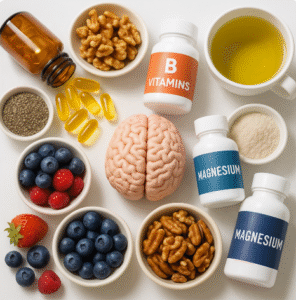
The Profound Benefits of Omega-3 Fatty Acids for Brain Health
Extensive studies underline the significant connection between Omega-3 fatty acids and brain health. Research consistently demonstrates their critical role in maintaining optimal cognitive function. Specifically, Omega-3s, namely EPA (eicosapentaenoic acid) and DHA (docosahexaenoic acid), are fundamental constituents of brain cell membranes and are vital for the formation of neurons.
According to research, supplementation of Omega-3s has been shown to enhance memory and cognitive function, particularly among older adults and those experiencing cognitive decline. Omega-3s exhibit anti-inflammatory properties within the brain, which may significantly reduce the risk of neurodegenerative diseases such as Alzheimer's. Given the brain's high susceptibility to oxidative stress and inflammation, ensuring adequate intake of Omega-3s presents a proactive strategy for preserving cognitive health over the long term.
Guidelines for Optimal Omega-3 Dosage
Recommendations from respected health organisations, including the British Heart Foundation, suggest that adults should strive for a daily intake of 450mg of combined EPA and DHA. This target can be achieved through a combination of dietary sources and supplementation. For individuals who find it challenging to consume adequate quantities of fatty fish regularly, Omega-3 supplements offer a convenient alternative.
It is essential to emphasise that while supplements can facilitate reaching the recommended intake, they should complement, not replace, a well-balanced diet. A varied diet rich in fruits, vegetables, whole grains, and lean proteins remains paramount. Prior to initiating any new supplementation regimen, it is advisable for individuals to consult with healthcare providers to ascertain the appropriate dosage tailored to their specific health requirements.
Omega-3 Fatty Acids: A Key Contributor to Heart Health
The advantages of Omega-3 fatty acids extend well beyond brain health; they are also essential for cardiovascular health. Research indicates that Omega-3s can effectively lower triglyceride levels, reduce blood pressure, and diminish the risk of heart disease. This multifaceted influence on heart health is particularly significant in the UK, where cardiovascular disease remains a leading cause of morbidity and mortality.
By enhancing blood flow and alleviating inflammation within the arteries, Omega-3s contribute to improved cardiovascular function. Therefore, integrating Omega-3 supplements into a health-conscious lifestyle, alongside regular exercise and a balanced diet, can enhance both brain and heart health, ensuring a holistic approach to overall well-being.
Vitamin B Complex: A Fundamental Element for Cognitive Support
Essential Types of B Vitamins for Brain Health
The family of B vitamins consists of several essential nutrients that are crucial for maintaining brain health, particularly B6 (pyridoxine), B12 (cobalamin), and B9 (folic acid). Each of these vitamins plays a distinct role in neuronal health and cognitive function, underscoring the importance of a balanced intake. In the UK, B vitamins are widely available in various supplement forms, ranging from standalone capsules to complex formulations that combine multiple B vitamins for enhanced effectiveness.
While many individuals may opt to supplement their diets with B vitamins, numerous food sources provide these nutrients. For instance, B6 can be found abundantly in poultry, fish, potatoes, and non-citrus fruits, whereas folic acid is prevalent in dark leafy greens, legumes, and fortified cereals. Vitamin B12, essential for preserving nerve health, is primarily sourced from animal products such as meat, dairy, and eggs, making it particularly crucial for vegetarians and vegans to consider fortified foods or supplements.
The Impact of B Vitamins on Cognitive Function and Mental Health
Research consistently demonstrates that B vitamins are integral to supporting cognitive function and may assist in preventing mental decline as we age. Specifically, B12, B6, and B9 collaborate to lower levels of homocysteine, an amino acid associated with an increased risk of dementia and Alzheimer's disease when present in elevated amounts.
By regulating homocysteine levels, these vitamins contribute to improved brain health and enhanced memory performance. Additionally, B vitamins are vital in the synthesis of neurotransmitters, the chemical messengers that facilitate communication between nerve cells. This function is particularly significant for mood regulation and memory, thus linking B vitamin intake to better mental health outcomes.
In the UK, conditions such as anxiety and depression are increasingly prevalent. Ensuring an adequate intake of B vitamins is critical for maintaining cognitive wellness and emotional stability.
Dietary Sources of B Vitamins in the UK
Incorporating adequate amounts of B vitamins into one’s diet can be straightforward with mindful choices. The UK boasts a variety of dietary sources rich in these essential nutrients. Fortified breakfast cereals offer a convenient means of boosting B vitamin intake, proving beneficial for individuals seeking to meet their daily requirements.
Animal-based foods also serve as excellent sources of B vitamins. A hearty English breakfast featuring eggs, bacon, and baked beans can significantly enhance B vitamin consumption. However, vegetarians and vegans must pay particular attention to their diets, as plant-based sources of vitamin B12 are limited. Fortified plant milk and nutritional yeast can be valuable alternatives, helping to bridge any nutritional gaps and support adequate B12 intake.
Antioxidants: Shielding Your Brain from Damage
Common Antioxidants Found in Brain Health Supplements
Antioxidants are vital compounds that protect the body from oxidative stress caused by free radicals, and their significance in brain health cannot be overstated. Common antioxidants found in UK supplements encompass vitamins C and E, along with various flavonoids. 
These supplements function to neutralise free radicals. In doing so, they protect brain cells from damage that could contribute to cognitive decline.
Antioxidants can be consumed through supplements but are also abundant in a healthy diet.
A vibrant selection of colourful fruits and vegetables provides excellent sources of these protective compounds. Berries, citrus fruits, and leafy greens are among the top choices.
Opting for a diet rich in antioxidants not only supports brain health but also enhances overall well-being by promoting various bodily functions.
Defending Against Oxidative Stress with Antioxidants
The brain is particularly susceptible to oxidative stress, which can lead to inflammation and cellular death. Antioxidants counteract this by neutralising free radicals, potentially slowing cognitive decline and offering protection against neurodegenerative diseases. Research indicates that diets abundant in antioxidants correlate with improved mental function and a diminished risk of conditions such as Alzheimer’s and dementia.
Specifically, studies have shown that individuals who consume higher amounts of vitamin E, commonly found in nuts and seeds, exhibit slower cognitive decline compared to those with lower intake. Likewise, vitamin C, a potent antioxidant present in numerous fruits and vegetables, has been associated with enhanced mental performance.
Top Foods Rich in Antioxidants
For those keen to elevate their antioxidant intake through diet, numerous options are easily accessible in UK supermarkets. Berries, including blueberries, strawberries, and blackberries, are not only delicious but also brimming with antioxidants. Nuts, particularly walnuts and pecans, represent another outstanding source, providing healthy fats alongside their antioxidant advantages. Green tea, a popular beverage in the UK, is also rich in flavonoids, making it an exceptional addition to a brain-boosting diet.

Berries full of antioxidants
Incorporating these antioxidant-rich foods into daily meals can significantly enhance overall health while specifically benefiting brain function. For example, starting the day with a smoothie loaded with berries and spinach can set a positive tone for cognitive health throughout the day.
The Role of Antioxidants in Skin Health
While the primary focus here is on brain health, antioxidants also play a crucial role in maintaining skin health. Vitamins C and E are often included in skincare formulations, as they provide protection against UV damage and assist in reducing the visible signs of ageing.
A diet abundant in antioxidants nurtures the brain while also promoting youthful, radiant skin, making it a dual-purpose strategy for health and beauty.
Utilising both dietary sources and topical applications offers comprehensive benefits. This approach supports cognitive well-being in addition to overall skin health, ultimately helping to boost confidence and vitality.
Herbal Supplements: Natural Allies in Supporting Cognitive Function
The Power of Ginkgo Biloba for Cognitive Enhancement

Many individuals in the UK commonly turn to Ginkgo biloba as a herbal supplement, renowned for its potential to enhance cognitive function. Traditional Chinese medicine has long utilised ginkgo to improve blood circulation to the brain, which may help augment memory and cognitive ability.
Research suggests that ginkgo may be particularly beneficial for older adults experiencing memory issues or cognitive decline. Some studies indicate that ginkgo could enhance cognitive function in individuals with dementia. Nevertheless, the results are mixed, and further studies are necessary to establish these findings conclusively.
Individuals contemplating ginkgo biloba supplements should seek out reputable brands available in health stores across the UK. As with any supplement, it is advisable to consult a healthcare professional before initiating a new regimen to ensure it aligns with individual health conditions.
Exploring the Benefits of Bacopa Monnieri
Bacopa monnieri is another herbal supplement that is gaining traction in the UK for its potential cognitive-enhancing properties. This ancient herb has been used in Ayurvedic medicine to improve memory and alleviate anxiety. Studies have demonstrated that bacopa may enhance cognitive function, particularly in areas related to memory recall and learning.
Research indicates that bacopa can help mitigate anxiety, making it an appealing choice for individuals seeking to boost cognitive performance while managing stress levels. Bacopa is available in a variety of forms, including capsules and powders, allowing for easy incorporation into daily routines.
As with ginkgo, it is essential for individuals to consult a healthcare professional before beginning bacopa supplements, particularly for those who are on medication or have existing health conditions.
Understanding Safety and Regulation of Herbal Supplements
The Medicines and Healthcare Products Regulatory Agency (MHRA) oversees the regulation of herbal supplements in the UK, including products like ginkgo biloba and Bacopa monnieri. This regulation ensures that these products meet safety and quality standards, providing consumers with greater confidence in their choices.
However, regulation offers only a degree of safety assurance. Consumers should still conduct thorough research on the products they intend to use.
Purchasing supplements from reputable sources and carefully reviewing product labels can help ensure the quality and effectiveness of the supplements.
Turmeric: A Golden Spice with Cognitive Benefits

Turmeric, a vibrant yellow spice readily available in health food stores across the UK, is celebrated for its anti-inflammatory properties and potential benefits for brain health.
The active compound in turmeric, curcumin, has garnered considerable attention for its antioxidant effects and its possible role in protecting against neurodegenerative diseases.
Research suggests that curcumin may enhance mood, reduce inflammation, and even improve cognitive function. For those looking to integrate turmeric into their diets, consider adding it to curries, soups, or smoothies. Turmeric supplements are also widely available for those seeking concentrated doses.
As with other supplements, it is prudent to consult a healthcare provider before commencing turmeric supplementation, especially for individuals with existing health issues or those taking medications that may interact with turmeric.
Magnesium: The Unsung Hero of Cognitive Function
Understanding Magnesium's Role in Brain Function
Magnesium is an essential mineral that plays a key role in brain function, facilitating neurotransmitter activity and nerve transmission. This mineral is imperative for mood regulation and enhancing cognitive performance. Sufficient magnesium levels can lead to improvements in learning capabilities, memory, and overall brain health. In the UK, magnesium deficiency is a common concern that can result in symptoms such as fatigue, muscle cramps, and potential cognitive impairment. Given its crucial role in supporting cognitive function, ensuring adequate magnesium intake should be a priority for those focused on brain health.
For individuals who struggle to meet their magnesium requirements through diet, supplementation is a viable option. Magnesium supplements come in various forms, including tablets and powders, making it easy to find suitable options that align with personal preferences.
Identifying Symptoms of Magnesium Deficiency
The symptoms of magnesium deficiency can significantly disrupt daily life, ranging from fatigue and irritability to muscle cramps and cognitive challenges. In the UK, many individuals may be unaware that they are not meeting their magnesium needs, which can lead to more serious symptoms over time.
Cognitive impairment is particularly alarming, as it can adversely affect memory, attention, and overall mental clarity. By recognising the signs of magnesium deficiency, individuals can take proactive steps to address their intake, whether through dietary changes or supplementation.
Individuals noticing symptoms should consult a healthcare professional. This enables them to determine whether magnesium deficiency is a contributing factor and allows for the development of a tailored strategy for optimisation.
Dietary Sources of Magnesium in the UK
 Fortunately, magnesium-rich foods are readily accessible in the UK, making it relatively easy to boost intake through a balanced diet. Leafy greens, such as spinach and kale, serve as excellent sources, as do nuts and seeds, particularly almonds and pumpkin seeds. Whole grains like brown rice and quinoa also contribute significantly to daily magnesium needs.
To enhance magnesium intake, individuals can consider incorporating salads rich in leafy greens, snacking on nuts, and choosing whole-grain options in meals. By prioritising these foods, individuals can support both their cognitive function and overall well-being while enjoying a diverse and flavourful diet.
Probiotics: Strengthening the Gut-Brain Connection
The Fascinating Gut-Brain Connection
Emerging research increasingly highlights the intricate relationship between gut health and brain function, often referred to as the gut-brain axis. Probiotics, the beneficial bacteria that promote gut health, have gained recognition for their potential to enhance cognitive function and emotional well-being.
In the UK, probiotics are widely available in various forms, including capsules, powders, and fermented foods such as yoghurt and kefir. These probiotics assist in maintaining a balanced gut microbiome, which has been linked to improved mood, reduced anxiety, and enhanced cognitive performance.
By incorporating probiotics into their diets, individuals may experience beneficial effects on both gut health and brain function, thereby supporting overall mental clarity and emotional balance.
Exploring Different Types of Probiotic Strains

Different probiotic strains offer a variety of health benefits. Lactobacillus and Bifidobacterium are among the most commonly found strains in UK supplements.
These strains support digestive health and enhance nutrient absorption while contributing to a balanced gut microbiome.
Research indicates that Lactobacillus and Bifidobacterium strains may also positively influence brain health as they help reduce inflammation and promote the production of neurotransmitters.
Given the gut's integral role in mental health, ensuring a diverse intake of probiotic strains can significantly enhance both cognitive and emotional well-being.
For those looking to explore the benefits of probiotics, consider incorporating fermented foods or probiotic supplements into your daily routine. As with other supplements, consulting with a healthcare provider is advisable to find the most suitable strains and dosages.
Ensuring Safety and Efficacy of Probiotic Supplements
Most individuals in the UK regard probiotic supplements as safe for general use. However, it is vital to purchase products from reputable manufacturers to ensure quality and efficacy. The MHRA regulates supplements, yet individual brands may differ in formulation and effectiveness. Individuals with existing health conditions or those on medications should consult a healthcare professional before initiating probiotics to ensure compatibility and safety. By prioritising safety and efficacy, individuals can confidently support their gut health and, consequently, their cognitive function.
Harnessing the Power of Supplements for Enhanced Brain Health
Exploring the realm of brain health through supplements can be an empowering strategy for improving cognitive function and overall well-being. With a diverse range of options available, from Omega-3 fatty acids to probiotics, individuals can tailor their supplement routines to meet their specific health needs.
By understanding the function of each supplement and recognising the importance of a balanced diet, individuals can make informed choices about their health. As research continues to advance, staying updated on new discoveries can further enhance understanding and lead to more effective strategies for supporting brain health throughout life.
Frequently Asked Questions About Brain Health Supplements
What are the most effective supplements for enhancing brain health?
The most effective supplements for brain health include Omega-3 fatty acids, vitamin B complex, antioxidants, magnesium, and probiotics. Each of these supplements supports cognitive function and overall well-being in unique and beneficial ways.
In what ways do Omega-3 fatty acids benefit the brain?
Omega-3 fatty acids are essential for brain function, as they support memory and cognitive performance while also reducing inflammation, thereby enhancing overall brain health.
Can taking vitamin B complex improve mood?
Absolutely, vitamin B complex can enhance mood by supporting neurotransmitter function and lowering homocysteine levels, which helps reduce the risk of cognitive decline.
What sources of antioxidants are considered the best?
Foods rich in antioxidants are crucial for protecting the brain from oxidative stress. Berries, nuts, dark chocolate, and green tea are excellent choices that also promote cognitive health.

Are herbal supplements safe for consumption?
Most herbal supplements, including Ginkgo biloba and Bacopa monnieri, are considered safe when taken as directed. However, it is always advisable to consult a healthcare professional before use.
What is the recommended daily intake of magnesium?
The recommended daily intake of magnesium varies, but adults should aim for approximately 300-400 mg. It is recommended to consult with a healthcare provider for individualised recommendations.
What role do probiotics play in enhancing brain health?
Probiotics support gut health, which is intricately linked to brain function. They may help improve mood, reduce anxiety, and boost cognitive performance.
Can I meet my Omega-3 needs through diet alone?
Yes, consuming fatty fish, nuts, seeds, and algae-based products can provide a sufficient intake of Omega-3s. Supplements are an option for those whose dietary intake is inadequate.
Which foods are particularly high in vitamin B12?
Vitamin B12 is found in animal products such as meat, fish, eggs, and dairy. Fortified cereals and plant-based milks serve as excellent sources for vegetarians and vegans.
How long does it typically take to observe benefits from supplements?
The time required to notice benefits from supplements varies by individual and the specific type of supplement. However, many people may observe improvements within a few weeks to a few months.
Connect with us on Facebook!
The Article: How to Support Brain Health with Supplements appeared first on https://janestevensnutrition.com


