Gain Insight into Chronic Fatigue Syndrome and Its Implications
Chronic Fatigue Syndrome (CFS) is a debilitating health condition that significantly impacts the lives of many individuals in the UK. Those affected often find themselves struggling with profound fatigue that is not relieved by rest, leading to a cascade of challenges. This condition not only affects productivity but also hampers social interactions and diminishes overall quality of life. To truly understand CFS, one must delve into its definition, recognised symptoms, prevalence in the UK, and the diagnostic guidelines that are crucial within the UK healthcare framework.
Prefer to listen? Click below
Explore the Definition and Symptoms of Chronic Fatigue Syndrome
Chronic fatigue syndrome is characterised by extreme fatigue that persists for six months or longer, which is not attributable to ongoing exertion and does not improve with rest. This persistent tiredness is frequently coupled with a range of distressing symptoms, such as muscle pain, joint pain, headaches, sleep disturbances, and cognitive impairments commonly referred to as “brain fog.” Many individuals affected report feeling unrefreshed even after a full night’s sleep. Engaging in physical or mental activities can exacerbate fatigue, creating a vicious cycle of increasing exhaustion and debilitating symptoms.
In the UK, individuals living with CFS often experience fluctuations in their symptoms. They may go through phases of relative stability followed by severe episodes of fatigue. This unpredictability can complicate daily life, severely restricting both personal and professional pursuits. It is vital for both patients and healthcare providers to recognise these symptoms early, as timely identification can facilitate more effective management strategies and improved access to appropriate care and support.
Assessing the Prevalence of Chronic Fatigue Syndrome in the UK
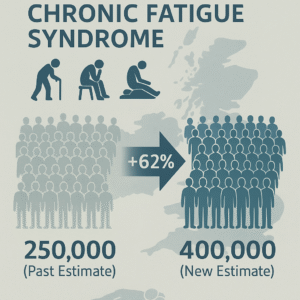 Recent estimates indicate that chronic fatigue syndrome affects around 250,000 individuals across the UK. However, recent research suggests that this number could be even higher, with current estimates indicating that approximately 400,000 people are living with chronic fatigue syndrome—a staggering 62% increase. The severity of CFS can vary widely from person to person; for some, it may present as a mild inconvenience, whereas for others, it can be profoundly debilitating, transforming everyday tasks into overwhelming challenges.
Given the UK’s population of around 67 million, the impact of CFS is considerable, leading to a significant loss of productivity and an increased dependence on healthcare services. Unfortunately, the condition often goes unrecognised or misdiagnosed, which can intensify feelings of isolation and despair among those affected. Addressing this pressing health concern demands heightened awareness and education for both the public and healthcare practitioners. Such initiatives are crucial for ensuring timely support and interventions are made available.
Understanding the UK Guidelines for Diagnosing Chronic Fatigue Syndrome
The National Institute for Health and Care Excellence (NICE) provides detailed guidelines for diagnosing chronic fatigue syndrome in the UK. According to NICE, the diagnosis hinges on the presence of persistent fatigue that significantly hampers daily activities, alongside notable symptoms such as sleep disturbances, muscle pain, and cognitive difficulties.
To fulfil the diagnostic criteria, symptoms must persist for a minimum of four months in adults and three months in children, with other potential causes of fatigue excluded through comprehensive clinical assessment. These guidelines emphasise a holistic approach to diagnosis, considering the individual’s overall health and well-being, a critical aspect for creating an effective treatment plan that is tailored to each patient's unique needs.
Recommended Supplements for Chronic Fatigue in the UK
In the quest to manage chronic fatigue, many individuals in the UK seek relief through dietary supplements. Among the most commonly recommended are Coenzyme Q10, Magnesium, and Vitamin B12. Each of these supplements has gained recognition for their potential to enhance energy levels, alleviate fatigue, and promote overall health in those suffering from chronic fatigue syndrome.
Enhance Energy with Coenzyme Q10 Supplements
Coenzyme Q10 (CoQ10) is a naturally occurring antioxidant present in every cell of the body, playing a critical role in energy production within the mitochondria. In the realm of chronic fatigue, CoQ10 is frequently recommended in the UK for its potential to elevate energy levels and diminish feelings of fatigue. Research has shown that supplementing with CoQ10 can significantly boost cellular energy production, which may help relieve some of the debilitating fatigue associated with CFS.
Clinical studies have demonstrated a positive correlation between CoQ10 supplementation and improved energy levels in individuals suffering from chronic fatigue. A notable UK-based study revealed that patients supplemented with CoQ10 exhibited significant improvements in fatigue scores compared to those receiving a placebo. This evidence highlights the importance of considering CoQ10 as a viable strategy for managing chronic fatigue symptoms effectively.
Moreover, CoQ10 supplementation may also enhance mitochondrial function, often compromised in individuals with chronic fatigue. By boosting energy production and reducing oxidative stress, CoQ10 not only addresses fatigue but also supports overall cardiovascular health, making it a multifaceted supplement worth considering for those grappling with chronic fatigue.
Support Your Body with Magnesium Supplements
Magnesium is an essential mineral that plays a pivotal role in numerous bodily functions, including muscle relaxation, energy metabolism, and nerve function. In the UK, magnesium supplements are frequently recommended to support individuals with chronic fatigue, as deficiencies in this vital nutrient can lead to heightened fatigue and muscle discomfort.
Research conducted in the UK has shown that magnesium significantly enhances sleep quality, a common issue for those affected by chronic fatigue. Improved sleep can mitigate symptoms and bolster overall energy levels. Additionally, magnesium has been noted for its calming effects on the nervous system, potentially alleviating anxiety and stress, which often accompany chronic fatigue.
The recommended dietary allowance for magnesium varies, but many individuals may not meet this target due to dietary habits or underlying health issues. Including magnesium-rich foods like leafy greens, nuts, and whole grains in one’s diet is beneficial; however, supplementation can effectively ensure adequate intake. Numerous healthcare professionals in the UK advocate for magnesium supplementation as part of a holistic approach to managing chronic fatigue symptoms, given its extensive benefits.
Boost Energy Levels with Vitamin B12
Vitamin B12 is a crucial nutrient that plays an essential role in the production of red blood cells, neurological function, and DNA synthesis. In the UK, Vitamin B12 supplementation is widely recommended for individuals experiencing chronic fatigue, particularly those with deficiencies, which can lead to increased tiredness and weakness.
Research has established a direct link between Vitamin B12 deficiency and fatigue. Many individuals with chronic fatigue syndrome report low levels of B12, and supplementation can lead to significant improvements in energy levels and overall well-being. A clinical trial conducted in the UK found that patients receiving Vitamin B12 injections reported substantial reductions in fatigue, underscoring the importance of this vitamin in managing chronic fatigue effectively.
Furthermore, Vitamin B12 is essential for individuals adhering to vegetarian or vegan diets, as it is predominantly found in animal-derived foods. Those following these dietary patterns may need to consider supplementation to prevent deficiencies and the associated fatigue. Given its critical role in energy production and neurological health, Vitamin B12 is a key supplement for individuals battling chronic fatigue in the UK.
Top UK Supplement Brands for Chronic Fatigue Relief
Navigating the vast array of supplement options in the UK can be daunting. Therefore, it is vital to rely on reputable brands known for their quality and effectiveness. Several UK-based supplement brands have gained recognition for producing high-quality formulations specifically designed to address chronic fatigue. These brands include BioCare, Nutri Advanced, Solgar, Cytoplan, and Higher Nature.
Discover BioCare's Quality Supplements
BioCare is a respected UK-based supplement brand that is renowned for its commitment to scientific research and high-quality products. Their range includes methylfolate, a form of Vitamin B12, known for its effectiveness in supporting energy levels and combating chronic fatigue.
BioCare prioritises research and development, formulating its products based on the latest scientific findings. Users frequently report noticeable enhancements in energy levels and overall well-being after using their supplements, which reflects BioCare’s strong focus on efficacy.
The brand adheres to ethical practices, ensuring sustainable sourcing methods. All products are free from allergens and artificial additives, making BioCare a trustworthy option in the UK market for individuals seeking reliable supplements to combat chronic fatigue. To receive a 10% discount on all orders, please enter code P8824 when registering your BioCare account.
Explore Nutri Advanced's High-Quality Formulations
Nutri Advanced is a leading UK-based supplement company known for its dedication to quality and efficacy. They offer a wide range of products specifically formulated for chronic fatigue, including high-quality magnesium and B vitamins essential for energy production and overall health.
Their formulations often incorporate additional ingredients designed to enhance absorption and efficacy. For instance, their magnesium supplements come in various forms, allowing consumers to select the best option tailored to their individual needs. Nutri Advanced prioritises sourcing premium ingredients and adheres to stringent quality control measures, ensuring that each product meets the highest standards of safety and effectiveness.
Consumers frequently share positive experiences with Nutri Advanced supplements, particularly regarding increased energy and reduced fatigue levels. This brand demonstrates a robust commitment to education and transparency regarding their products, establishing them as a trusted choice for individuals seeking relief from chronic fatigue.
Trust Solgar for Quality Supplementation
Solgar is a well-established brand in the UK supplement market, offering a diverse range of products, including CoQ10, essential for managing chronic fatigue syndrome symptoms. Solgar is renowned for its commitment to quality, employing stringent manufacturing processes to ensure its supplements are both effective and safe for consumers.
 Solgar’s CoQ10 products are available in various forms, making it convenient for consumers to find the right option to meet their needs. The brand also places significant emphasis on sustainability, ensuring that ingredients are responsibly sourced and that environmentally friendly practices are maintained. This commitment resonates with consumers who are increasingly concerned about the environmental implications of their purchasing decisions.
Many users of Solgar supplements report positive results, particularly in terms of increased energy levels and improved overall well-being. Solgar's unwavering dedication to quality and efficacy makes it a reliable choice for those seeking the most effective supplements to manage chronic fatigue in the UK.
Choose Viridian Nutrition for Purity and Quality
Viridian Nutrition, a UK-based brand, has built its reputation on a strong commitment to purity and high-quality ingredients. They offer a range of supplements, including Vitamin B12, making them a popular choice for individuals looking to combat chronic fatigue. Each product is formulated to the highest quality standards, ensuring that all supplements are free from unnecessary additives and fillers.
Viridian Nutrition is dedicated to ethical business practices and prioritises sustainability. They utilise environmentally friendly packaging materials and donate a portion of their profits to charitable causes, appealing to consumers who prioritise ethical consumption alongside health.
Numerous testimonials highlight the effectiveness of Viridian's Vitamin B12 supplements, with many individuals reporting significant improvements in energy levels and a reduction in fatigue symptoms. For those navigating chronic fatigue, Viridian Nutrition offers a trustworthy option that embodies integrity and quality.
Higher Nature: Holistic Health Focus
Higher Nature is a UK company committed to creating supplements that are both effective and grounded in holistic health principles. Their product range includes various supplements designed to alleviate chronic fatigue symptoms, featuring Ashwagandha, an adaptogenic herb known for its potential to enhance energy levels and reduce stress.
Higher Nature sources high-quality ingredients to ensure that consumers can reap the benefits of Ashwagandha. This powerful herb has been utilised in traditional herbal medicine for centuries. The brand places a strong emphasis on educating consumers about the health benefits of its products, providing resources that help individuals make informed choices regarding their well-being.
Users of Higher Nature products frequently report increased vitality and resilience against fatigue. These outcomes highlight the positive impact of incorporating adaptogens into a health regimen. For those seeking a natural approach to managing chronic fatigue, Higher Nature presents compelling options worthy of exploration.
Insights from UK Clinical Studies on Supplements
Research into the effectiveness of supplements for managing chronic fatigue is ongoing, with several clinical studies conducted in the UK providing valuable insights. These studies have underscored the potential benefits of supplements such as Coenzyme Q10, magnesium, Vitamin B12, and Omega-3 fatty acids in alleviating symptoms of chronic fatigue syndrome.
Research Findings on Coenzyme Q10
A substantial body of research has focused on the role of Coenzyme Q10 in enhancing energy levels for individuals with chronic fatigue syndrome. Notably, a UK study published in a peer-reviewed journal revealed that participants who supplemented with CoQ10 experienced significant reductions in fatigue and improvements in their overall quality of life.
The mechanism by which CoQ10 exerts its effects is linked to its crucial role in mitochondrial function, where it aids in the conversion of nutrients into energy. By enhancing cellular respiration, individuals may experience a noticeable boost in energy levels, which can be particularly beneficial for those grappling with chronic fatigue.
The findings from these studies have prompted increased interest among healthcare professionals in recommending CoQ10 as an integral part of a comprehensive treatment plan for chronic fatigue. As awareness of the benefits of this powerful antioxidant continues to rise, more individuals in the UK are likely to consider CoQ10 as a viable strategy for managing their fatigue.
Understanding Magnesium Efficacy through Research
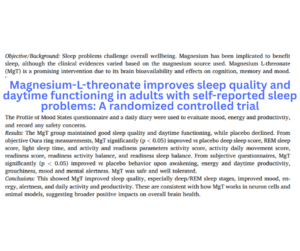 Research consistently highlights the importance of magnesium in both physical and mental health, with numerous studies conducted in the UK demonstrating its effectiveness in alleviating symptoms of chronic fatigue. Prominent research has highlighted the positive impact of magnesium supplementation on sleep quality, a significant concern for many individuals suffering from chronic fatigue.
Participants who received magnesium supplements reported not only enhanced sleep quality but also a notable reduction in muscle pain, a common contributor to fatigue. Magnesium's ability to relax muscles and calm the nervous system can lead to an overall sense of well-being, making it a key supplement for individuals struggling with chronic fatigue.
Healthcare professionals in the UK frequently advocate for incorporating magnesium into dietary regimens for those experiencing chronic fatigue, recognising its multifaceted benefits. As research continues to validate the positive effects of magnesium, many individuals may discover substantial relief through appropriate supplementation.
Vitamin B12 Trials and Their Significance
Vitamin B12 has been the subject of numerous clinical trials in the UK, demonstrating its vital role in managing chronic fatigue symptoms, particularly in individuals with documented deficiencies. Studies have shown that supplementing with Vitamin B12 can lead to significant improvements in energy levels and a reduction in feelings of fatigue.
In clinical trials, participants receiving Vitamin B12 injections reported enhanced vitality and improved cognitive function, underscoring the importance of this nutrient in energy metabolism and neurological health. For individuals who are deficient, addressing this gap through supplementation can dramatically enhance quality of life and alleviate chronic fatigue symptoms.
Given the prevalence of Vitamin B12 deficiency, particularly among specific populations such as vegetarians and the elderly, findings from these trials underscore the necessity for routine screening and appropriate intervention. The positive outcomes associated with Vitamin B12 supplementation provide compelling evidence for its inclusion in treatment plans for chronic fatigue.
Omega-3 Fatty Acids and Their Role in Chronic Fatigue
Emerging research suggests that Omega-3 fatty acids may also play a role in alleviating symptoms of chronic fatigue syndrome. Known for their anti-inflammatory properties, Omega-3s can aid in mitigating some of the underlying inflammatory processes that may contribute to fatigue.
Studies have shown that individuals who supplement with Omega-3 fatty acids experience improvements in cognitive function and a reduction in feelings of fatigue, highlighting their potential benefits for those grappling with chronic fatigue. Incorporating Omega-3s into the diet can also support overall health, promoting cardiovascular wellness and enhancing brain function.
Consequently, healthcare professionals in the UK are increasingly recognising the value of Omega-3 supplementation as part of a holistic approach to managing chronic fatigue. Those seeking to enhance their overall well-being may find Omega-3s to be a valuable complement to other essential supplements for chronic fatigue.
Dietary Recommendations for Managing Chronic Fatigue in the UK
Aside from supplementation, dietary choices are pivotal in managing chronic fatigue. The UK’s nutritional guidelines highlight the necessity of a balanced diet to support overall health. Adopting specific dietary practices can significantly bolster energy levels and alleviate the symptoms associated with chronic fatigue.
Importance of a Balanced Diet for Energy Maintenance
A balanced diet is essential for maintaining optimal health, particularly for individuals experiencing chronic fatigue. The UK's dietary guidelines advocate for a varied diet rich in fruits, vegetables, whole grains, lean proteins, and healthy fats. This diverse array of nutrients is vital for supplying the body with the energy required to function efficiently.
For those with chronic fatigue, a well-rounded diet can help stabilise energy levels, improve mood, and enhance sleep quality. By concentrating on nutrient-dense foods, individuals can ensure they receive sufficient vitamins and minerals, which are crucial for energy metabolism and overall health.
The psychological advantages of a balanced diet should not be underestimated. Consuming wholesome, nourishing foods can elevate overall well-being, fostering a more positive mindset to tackle the challenges associated with chronic fatigue.
Incorporating Foods Rich in Essential Nutrients

In the UK, certain foods are particularly beneficial for individuals experiencing chronic fatigue due to their high levels of essential nutrients. Fatty fish, such as salmon, are rich in Omega-3 fatty acids, which can help alleviate inflammation and enhance brain function. Leafy greens, such as spinach and kale, provide an excellent source of magnesium, iron, and vitamins that contribute to improved energy levels.
Whole grains, including quinoa, brown rice, and oats, deliver complex carbohydrates that can sustain energy throughout the day. Including these foods in daily meals can help create a nutrient-rich diet that meets the body’s needs while combating fatigue.
For individuals dealing with chronic fatigue, focusing on whole, unprocessed foods is vital. Such foods offer essential nutrients while helping to stabilise blood sugar levels, preventing the energy crashes that can exacerbate fatigue.
The Critical Role of Hydration in Energy Management
Proper hydration is another vital aspect of managing chronic fatigue. The UK health guidelines stress the importance of drinking adequate fluids each day to support overall health. Dehydration can lead to heightened fatigue, cognitive impairments, and mood disturbances, making it essential for individuals to prioritise hydration.
While water is the best choice for hydration, incorporating herbal teas and water-rich foods can also contribute positively to overall fluid intake. For those with chronic fatigue, maintaining hydration can help sustain energy levels and promote better physical and mental performance.
Additionally, hydration supports digestion and nutrient absorption, ensuring that the body effectively utilises the vitamins and minerals critical for combating fatigue. Simple practices can significantly enhance hydration levels; carrying a water bottle or setting reminders to drink water throughout the day can be effective strategies.
Establishing Regular Meal Timing for Energy Stability
Establishing consistent meal times is another effective method for managing chronic fatigue. The UK dietary guidelines advocate for consuming meals at regular intervals to help stabilise energy levels throughout the day. Irregular eating patterns can lead to fluctuations in blood sugar, resulting in energy crashes that exacerbate fatigue symptoms.
By planning meals and snacks at consistent times, individuals can maintain steady energy levels and avoid the lethargy that often accompanies prolonged periods without food. This strategy not only aids in managing chronic fatigue but also supports overall metabolic health.
Incorporating a balanced breakfast, lunch, and dinner, alongside healthy snacks, can help maintain consistent energy levels. Focusing on portion control and mindful eating can further amplify the benefits of regular meal timing, promoting a healthier relationship with food.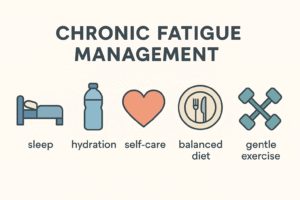
Recommendations for Physical Activity to Combat Fatigue
Regular physical activity is also encouraged within the UK dietary guidelines as a complementary strategy for managing chronic fatigue. Engaging in light, regular exercise can help boost energy levels, improve mood, and enhance overall well-being. The key is to find a balance that works for individuals experiencing fatigue, often referred to as “pacing.”
Low-impact activities such as walking, yoga, or swimming can provide benefits without overwhelming the body. UK healthcare professionals often recommend personalised exercise programmes that cater to individual energy levels and limitations, allowing for a gradual increase in activity over time.
Incorporating physical activity into daily routines can lead to improved cardiovascular health and increased stamina. By prioritising movement, individuals with chronic fatigue may find themselves better equipped to manage their symptoms and improve their quality of life.
Essential Lifestyle Adjustments for Chronic Fatigue Management in the UK
In addition to dietary modifications and supplementation, lifestyle changes can significantly enhance the management of chronic fatigue. Factors such as exercise, diet, and sleep management are crucial in creating a supportive environment for individuals facing fatigue challenges.
Finding the Right Balance with Exercise and Pacing
The UK's approach to managing chronic fatigue frequently incorporates tailored exercise programmes and pacing strategies that help individuals navigate their energy levels without exacerbating fatigue. Exercise plays a vital role in improving overall health, but for those with chronic fatigue, the challenge lies in striking the right balance between activity and rest.
Pacing involves recognising personal limits and allowing for periods of rest to avoid overexertion. Individuals are encouraged to engage in gentle activities that promote movement without overextending their bodies. Simple practices, such as breaking exercise into shorter intervals, can make a significant difference.
Healthcare professionals in the UK often advocate for a gradual approach, allowing individuals to build stamina and confidence over time. This tailored methodology not only supports physical health but also enhances mental well-being, helping to alleviate feelings of frustration and hopelessness that often accompany chronic fatigue.
Optimising Dietary Adjustments for Enhanced Energy
Specific dietary changes can further support individuals with chronic fatigue, focusing on balanced nutrition and energy-boosting foods. As previously discussed, incorporating nutrient-dense foods while steering clear of processed sugars and high-fat options can help improve energy levels.
In the UK, individuals are often encouraged to collaborate with healthcare professionals or nutritionists to develop personalised dietary plans that cater to their unique health requirements. This collaborative approach can lead to improved outcomes and more effective management of chronic fatigue symptoms.
Being mindful of food intolerances or sensitivities is essential, as certain foods may exacerbate fatigue or trigger gastrointestinal discomfort. Identifying and adjusting these dietary triggers can lead to significant improvements in energy levels and overall health.
Effective Strategies for Sleep Management
Implementing effective sleep management strategies is vital for combating chronic fatigue. In the UK, maintaining a regular sleep schedule is emphasised as a key factor in fostering restful sleep. Establishing consistent bedtimes and wake-up times helps regulate the body’s internal clock, resulting in improved sleep quality.
Creating a tranquil sleep environment is equally crucial. Individuals are encouraged to minimise distractions, such as electronic devices, and cultivate a calming atmosphere conducive to sleep. Techniques like relaxation exercises, deep breathing, and even light stretching can further enhance sleep quality.
Individuals should prioritise sleep hygiene by avoiding stimulants close to bedtime and establishing a pre-sleep routine that promotes relaxation. Adopting a proactive approach to sleep management can significantly alleviate feelings of fatigue and enhance overall quality of life.
Frequently Asked Questions about Chronic Fatigue Management
What are the top recommended supplements for managing chronic fatigue?
The most commonly recommended supplements for chronic fatigue include Coenzyme Q10, Magnesium, and Vitamin B12. Research indicates that these supplements can enhance energy levels and alleviate fatigue symptoms.
How can I determine if I have chronic fatigue syndrome?
Chronic fatigue syndrome is characterised by persistent fatigue lasting more than six months, often accompanied by symptoms such as muscle pain, sleep disturbances, and cognitive difficulties.
Can dietary choices impact chronic fatigue?
Yes, maintaining a balanced diet rich in essential nutrients can help manage chronic fatigue by stabilising energy levels and supporting overall health.
Is exercise beneficial for individuals with chronic fatigue?
Gentle, tailored exercise programmes can be advantageous for those experiencing chronic fatigue, helping to improve energy levels without causing overexertion.
What is the recommended dosage of Magnesium for chronic fatigue?
The recommended daily allowance for magnesium varies; many healthcare professionals suggest a dosage of 300–400 mg, depending on individual requirements.
Can vegetarians take Vitamin B12 supplements?
Yes, vegetarians are often at risk for Vitamin B12 deficiency and can benefit from supplementation or consuming fortified foods.
What role do Omega-3 fatty acids play in managing chronic fatigue?
Omega-3 fatty acids may help reduce inflammation and improve cognitive function, potentially alleviating some symptoms associated with chronic fatigue.
How long does it typically take for supplements to show effects?
The timeframe for experiencing effects from supplements can vary; some individuals may notice improvements within weeks, while others may take several months.
Should I consult a healthcare provider prior to starting any supplements?
Yes, it is advisable to consult with a healthcare provider before initiating any new supplement regimen, especially if you have existing health conditions.
Are there any potential side effects associated with these supplements?
While most supplements are considered safe, some individuals may experience side effects. It is essential to adhere to the recommended dosages and consult a healthcare provider if any adverse reactions occur.
Connect with us on Facebook!
The Article: Best Supplements for Chronic Fatigue: A Comprehensive Guide appeared first on https://janestevensnutrition.com