
Understanding the Essential Role of Hydration for Optimal Health
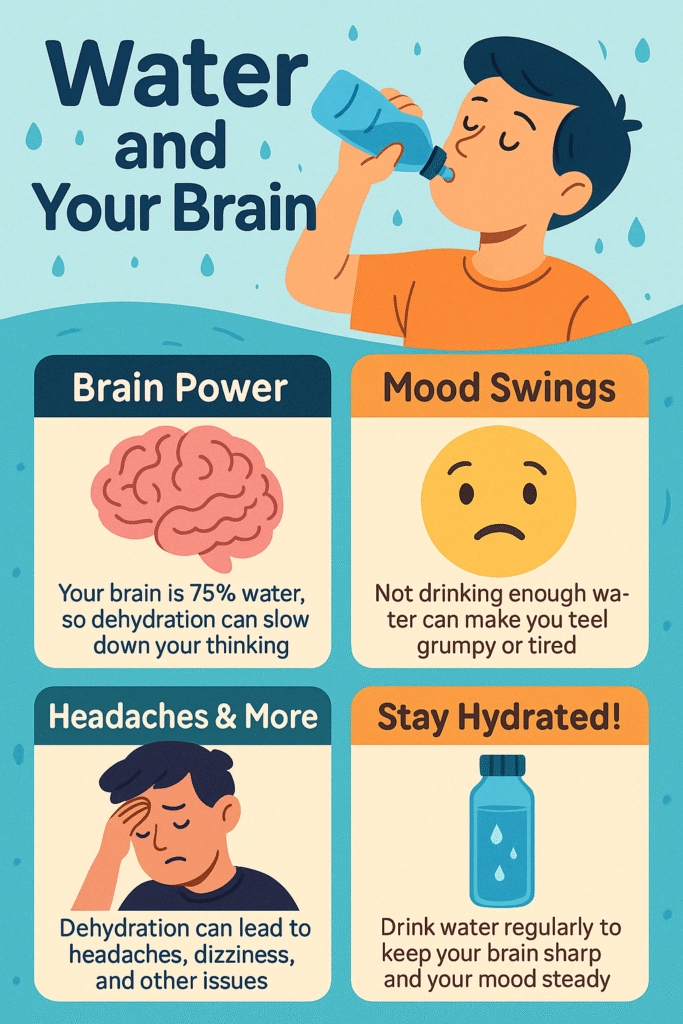
Water constitutes a significant portion of our body weight, making it essential for our overall health and well-being. Specifically, it plays a crucial role in the functioning of our central nervous system, especially the brain, which is composed of approximately 75% water. This highlights the direct correlation between hydration and cognitive function. Adequate hydration profoundly influences our cognitive abilities, emotional stability, and overall mental health. Additionally, water is vital for numerous metabolic processes, aiding in temperature regulation and maintaining electrolyte balance, which are essential for optimal physiological functioning.
Maintaining Optimal Water Balance for Health
Our bodies constantly strive to maintain a delicate balance between water intake and output. Disruption of this balance can lead to various health issues. For instance, hyperhydration occurs when we consume excessive amounts of water, potentially resulting in headaches, nausea, and severe complications such as convulsions. Conversely, dehydration occurs when we fail to consume enough water, resulting in a spectrum of health problems that can affect both physical and mental well-being.
This article delves into the intricate relationship between hydration, cognitive performance, and mood. Understanding this connection is vital for public health, particularly for vulnerable populations such as the elderly and children. We will investigate the scientific principles underlying these effects, examining the mechanisms at play and their implications for maintaining a healthy, functioning brain.
Exploring the Physiological Consequences of Dehydration
Dehydration manifests when there is an inadequate intake of water, leading to a state of low hydration levels. This condition can result in a range of physical complications, including headaches, the formation of kidney stones, and various related kidney issues. Furthermore, chronic dehydration can lead to a decline in general health and negatively impact both the digestive and cardiovascular systems.
Prolonged dehydration can significantly elevate the risk of kidney stones as well as urinary tract infections. It may also induce long-term vasoconstriction, heightening the risk of hypertension and stroke. Our bodies regulate fluid balance through complex homeostatic processes, primarily involving the renal system, which adjusts urine output, and the sensation of thirst, which encourages water consumption. In response to fluid imbalances, critical hormones such as vasopressin (antidiuretic hormone) and angiotensin II play vital roles in maintaining fluid homeostasis.
It is suggested that dehydration may lead to higher levels of cortisol, a hormone associated with stress responses. Elevated cortisol levels have been linked to detrimental effects on memory and processing speed, potentially resulting in cognitive deficits during episodes of dehydration. Preliminary neuroimaging studies indicate that dehydration may even alter the structural and functional aspects of the brain, with observations of reduced total brain volume in dehydrated individuals.
The Impact of Dehydration on Cognitive Function
Water is a critical component of most cells, including those in the central nervous system. Thus, inadequate water intake can negatively impact our cognitive abilities and overall mental clarity.
Numerous studies have investigated these effects; however, results often vary, likely due to the diverse methodologies and cognitive assessments employed. One study revealed that after just 24 hours without water, participants exhibited significant declines in their scores on the portrait memory test, which assesses episodic memory. Furthermore, dehydration has been associated with impairments in vigilance-related attention, as observed in male basketball players, and reduced performance on the symbol search test, which evaluates processing speed.
In another study, dehydrated participants scored lower on the operation span test, which measures working memory capacity. While these findings indicate specific cognitive impairments due to dehydration, it is essential to note that some research has found no adverse effects on cognitive performance. The severity of dehydration likely plays a critical role in determining the extent of cognitive impairments.
Even mild dehydration can lead to subtle but significant issues. The consequences vary depending on the context, whether one is a pilot requiring sharp focus, a golfer aiming for steady swings, a senior striving to remain alert, or a student preparing for exams (research indicates that students who bring water to tests tend to perform better!).
Dehydration's Adverse Effects on Emotional Well-Being
In addition to cognitive performance, dehydration can significantly impact our emotional state. One study discovered that participants subjected to water restriction reported feeling less energetic, experiencing lower self-esteem, increased fatigue, and higher total mood disturbance (TMD). Research has established a link between dehydration and alterations in alertness, calmness, and confusion.
Even mild dehydration can incite shifts in mood, resulting in decreased positive mood ratings and heightened negative mood symptoms such as tension, anxiety, and fatigue. These findings underscore the importance of maintaining proper hydration for both mental clarity and emotional well-being.
The Rejuvenating Effects of Water on Brain Function 
Fortunately, rehydration appears to counteract the negative effects of dehydration on brain function, mood, and cognitive performance. Research has demonstrated that consuming water after a period of dehydration leads to enhancements in processing speed, as measured by the symbol search test, and improvements in working memory, as assessed by the operation span test. It was found that approximately 1000 mL of purified water is optimal for young adults to enhance cognitive performance following dehydration. Rehydration also resulted in reduced fatigue and mood disturbances, alongside an increase in overall vigour.
A suggested psychological mechanism for these improvements is that alleviating thirst through water consumption liberates limited attentional resources that were previously occupied by the physiological sensation of thirst, thereby enhancing performance on cognitive tasks.
Subjective feelings of thirst can influence the speed at which individuals respond to drinking water. Notably, the mere expectation of consuming water does not appear to impact cognitive performance, indicating a physiological basis for the benefits associated with rehydration.
Examining How Hydration Status Affects Brain Function
The exact mechanisms by which hydration status influences brain function are still under investigation, but several hypotheses have emerged. From a psychological standpoint, the theory concerning limited attentional resources suggests that feelings of thirst and the physiological state of dehydration compete for cognitive resources, thereby reducing the capacity available for other mental processes.
Consuming water can mitigate dehydration, potentially freeing up cognitive resources and enhancing thinking capabilities. On a physiological level, dehydration may adversely affect cardiovascular reactivity and cerebral blood flow, which could indirectly impact cognitive performance.
Moreover, as previously mentioned, the potential role of elevated cortisol levels during dehydration may negatively influence memory retention and processing speed. During dehydration, the body's homeostatic response is mediated by hormones such as vasopressin and angiotensin II, which can affect various substrates and neurotransmitters in the brain. Finally, neuroimaging studies suggest that dehydration may induce temporary changes in brain volume, which could explain some of the observed cognitive effects.
Challenges in Hydration Research
Researchers are accumulating evidence that drinking water influences cognitive function; however, diverse studies often yield mixed results. While some research indicates significant impacts of dehydration, others report minimal effects. This inconsistency can likely be attributed to varying methodologies employed in these studies. For example, some research may estimate hydration levels rather than using direct measurements, such as urine tests, to ascertain dehydration accurately.
Dehydration can be induced through several methods, including heat stress, exercise, and fluid restriction, and these varying approaches may introduce confounding factors. Fluid restriction, however, is generally regarded as more representative of routine voluntary dehydration. Cognitive assessments across studies vary widely; some argue that broad neuropsychological tests may overlook subtle effects stemming from nutritional changes.
The absence of objective measures of hydration status in certain studies presents another limitation, as it is not always clear to what degree participants are dehydrated or euhydrated. Future research should focus on standardising methodologies, incorporating objective hydration measures such as urine indices (osmolality, specific gravity) and serum osmolarity. Investigating brain activity during hydration fluctuations through neuroimaging is also vital.
Identifying optimal conditions for hydration to influence cognitive performance and examining mediating factors that may shape the effects of water interventions are essential areas for future exploration. Additionally, longitudinal studies are necessary to assess how hydration habits affect cognitive health over time.
Recommended Water Intake for Enhanced Brain Function
Numerous authoritative organisations have issued recommendations regarding adequate daily water intake. The European Food Safety Authority (EFSA) suggests a daily fluid intake of 2.5 L for men and 2.0 L for women. However, the Institute of Medicine (IOM) proposes even higher intake levels. It is crucial to note that the World Health Organisation (WHO) and other guidelines concerning cognitive health do not currently provide specific recommendations for water intake. Individual fluid requirements can vary significantly, influenced by factors such as climate, activity levels, and individual physiology.
Thus, encouraging individuals to monitor their hydration levels using indicators like urine colour may prove to be a practical approach.
Effective Strategies for Increasing Daily Water Intake 
To promote adequate hydration for optimal brain function, consider these practical strategies to increase your daily water intake:
- Always carry a water bottle and make a habit of refilling it regularly.
- Ensure you drink water before, during, and after any physical activity.
- Make water easily accessible at home and in your workplace.
- Pay attention to thirst cues, but also make it a point to drink regularly, even when not feeling thirsty.
- Incorporate water-rich fruits and vegetables into your diet to boost hydration.
Maintaining proper hydration is especially crucial for vulnerable populations. In older adults, reduced hydration is potentially linked to accelerated cognitive decline. For children, adequate hydration can significantly influence cognitive performance in educational settings. The PREDIMED-Plus study, conducted with older Spanish individuals, suggests a correlation between hydration status (measured through serum osmolarity) and changes in cognitive performance over two years.
Key Takeaways on Hydration and Cognitive Health
The evidence presented highlights the vital importance of hydration in sustaining optimal cognitive function and emotional well-being. While severe dehydration unequivocally leads to cognitive deficits and mood disturbances, even mild dehydration can result in noticeable negative effects.
In contrast, adequate water consumption and rehydration have been shown to enhance various cognitive capacities, particularly attention, processing speed, and working memory, in addition to fostering a more positive emotional state.
Given the brain's high water content and the fundamental role of water in numerous physiological processes, it is essential to remain vigilant about our hydration status as a straightforward yet impactful factor influencing our cognitive and emotional health.
Further research is warranted to elucidate the underlying mechanisms and establish clear, evidence-based hydration guidelines. Nonetheless, existing research strongly supports the promotion of adequate hydration as a beneficial strategy for supporting brain health and informing public health initiatives aimed at improving quality of life.
To discover more about how nutrition can enhance your cognitive abilities, visit this article on superfoods.
References for Further Reading
Effects of hydration status on cognitive performance and mood
Water intake, hydration status and 2-year changes in cognitive performance
Effects of hydration status on cognitive performance and mood
The Article: The Crucial Link between Hydration and Brain Function appeared first on https://janestevensnutrition.com


