
Discover the Transformative Power of Fermentation for Enhanced Health
Fermentation is a time-honoured culinary technique that has regained significant popularity in contemporary cooking. This surge reflects a growing public fascination with health and nutrition. The method relies on microorganisms to convert sugars and organic compounds into acids, alcohol, or gases. This remarkable transformation not only helps to preserve food but also enhances its nutritional profile. Consequently, fermentation plays a vital role in maintaining a balanced diet. An increasing number of individuals worldwide are becoming aware of how gut health directly influences overall well-being. Gaining a deeper understanding of fermentation can significantly support this objective, paving the way toward healthier, more vibrant living.
To fully appreciate the diverse spectrum of fermentation, it is essential to comprehend the underlying processes. This knowledge is particularly valuable for those interested in DIY fermented foods: simple recipes designed to promote a healthier gut. The process depends on the metabolic activities of beneficial microorganisms. Bacteria and yeasts collaborate to transform ordinary food into probiotic-rich delicacies.
Through fermentation, we can produce a variety of foods such as sauerkraut, kimchi, and kombucha, each delivering unique flavours and health benefits. For instance, the lactic acid bacteria present in these products contribute to restoring the natural balance of gut flora, leading to improved digestion and enhanced immune function.
Prefer to listen? Click below
Embrace the Benefits of Fermented Foods for Optimal Nutrition
The advantages of integrating fermented foods into your diet are extensive and should not be overlooked. They are rich in probiotics, which significantly promote gut health, facilitate digestion, and bolster a robust immune system. Fermented foods are also known to enhance nutrient absorption. For instance, the fermentation process breaks down complex nutrients, rendering them more bioavailable to our bodies. As you embark on your fermentation adventure, it is crucial to begin with the appropriate equipment—such as jars, weights, and airlocks. Additionally, understanding hygiene and temperature control during fermentation is essential. These elements ensure the safety of your food and guarantee a successful outcome in your culinary pursuits.
Exploring the various types of fermentation reveals a vast array of flavours and possibilities. For example, lactic acid fermentation creates a tangy flavour in foods like pickles, while ethanol fermentation is frequently employed to produce alcoholic beverages.
Moreover, acetic acid fermentation is integral to vinegar production, showcasing yet another dimension of fermentation techniques. Each method possesses its own charm and character, inviting endless creativity and exploration in your kitchen.
Ensuring Safety: How to Ferment with Confidence and Success
Prioritising safety during the fermentation process is of utmost importance. While the steps involved are generally straightforward, there are inherent risks. Contamination and spoilage can occur if proper practices are not followed. It is crucial to understand how to sterilise your equipment and monitor the progress of your ferment. Additionally, learning to identify signs of spoilage is essential. These skills are vital whether you are a novice or an experienced fermenter. By adhering to safety guidelines, you can effectively minimise the risk of spoilage and contamination.
Essential Ingredients for Achieving Successful Fermentation
Start Fresh: The Importance of Organic Vegetables for Fermentation
Choosing the right ingredients is fundamental to achieving successful fermentation results. Fresh, organic vegetables such as cabbage, cucumbers, and carrots serve as excellent starting points. These vegetables contain natural sugars and retain ample moisture, both crucial for effective fermentation. Opting for organic produce adds even more value, as it often harbours a greater quantity of beneficial bacteria necessary for successful fermentation. Purchasing from local farmers' markets or cultivating your own vegetables enhances the flavour of your ferments while supporting sustainable farming practices, ultimately contributing to healthier ecosystems.
The Science of Salt: Achieving the Ideal Brine Balance for Fermentation
Salt plays a vital role in fermentation, serving as a natural preservative. It helps draw moisture out of the vegetables, creating a brine that favours the growth of beneficial bacteria while suppressing harmful microbes. Striking the correct salt balance is essential; excessive salt can hinder fermentation, while insufficient salt can lead to spoilage. You may wish to experiment with various types of salt, such as sea salt or Himalayan pink salt. These options not only impart unique flavours to your ferments but also enhance their overall appeal.
Enhancing Flavour with Spices and Herbs in Your Fermented Creations
Incorporating spices and herbs into your fermentation process can elevate your culinary experience, introducing layers of complexity and flavour. Adding spices like dill, garlic, and mustard seeds can transform a basic batch of sauerkraut into a culinary masterpiece. Similarly, herbs such as bay leaves and peppercorns can introduce subtle aromatic qualities that enhance the overall taste profile. The beauty of fermentation lies in its adaptability; you can customise your creations to reflect personal preferences or draw inspiration from diverse global culinary traditions.
Understanding the role of each ingredient is pivotal in your fermentation journey. A well-balanced combination of flavours, textures, and aromas makes your DIY fermented foods enjoyable and beneficial. These elements work together to support your health while enhancing the overall experience, ultimately satisfying your taste buds. When you examine global cuisine, the possibilities seem endless. You can derive inspiration from numerous cultures and their traditional fermentation methods.
Global Culinary Inspiration: Fermenting with Local and Exotic Ingredients
As you gather your ingredients, it is worth considering the geographical variety of vegetables available in different regions. For example, cabbage is a staple in European ferments, while people in tropical areas often utilise fruits like mangoes or papayas due to their unique fermenting qualities. By exploring ingredients from around the globe, you open the door to exciting new flavours that can connect you with your culinary roots or introduce you to entirely new taste experiences.
Mastering Fundamental Fermentation Techniques for Home Cooking
Lacto-Fermentation: The Timeless Gut-Health Champion
The realm of fermentation unveils a treasure trove of opportunities, offering various techniques that cater to diverse tastes and preferences. Among the most popular methods is lacto-fermentation, which utilises lactic acid bacteria to preserve and ferment vegetables. This process allows for a broad range of flavours and textures, culminating in beloved staples such as sauerkraut and kimchi. The tangy notes derived from lactic acid impart a distinctive character to these dishes, earning them admiration from culinary enthusiasts worldwide.
Water-Brine Method: Crafting Crunchy Pickles with Personalised Flavours
Exploring the water-brine fermentation technique reveals another effective method, which involves submerging vegetables in a saltwater brine. This approach is particularly suitable for making pickles and other crisp ferments, as it helps the vegetables maintain their crunch while developing flavour over time. The fermentation process typically spans from a few days to several weeks, depending on the temperature of the environment and the desired taste. This method provides ample scope for experimentation, allowing you to try different spices and flavours to suit your palate.
The dry-salting technique offers another simple yet effective approach to fermentation. By sprinkling salt directly onto vegetables, you can extract their natural juices, forming the brine necessary for successful fermentation. This method is particularly effective for leafy greens, as it encourages moisture release and forms the brine needed for effective fermentation. Its simplicity makes it accessible for beginners while still providing ample opportunities for flavour enhancement and creativity.
Fermenting Beverages: Mastering the Art of Kefir and Kombucha
Fermentation techniques such as kefir and kombucha present exciting alternatives that transform milk and tea into probiotic-rich beverages. These methods utilise kefir grains or a SCOBY (a symbiotic culture of bacteria and yeast) to produce fizzy, tangy drinks brimming with health benefits. Kombucha, in particular, has gained global popularity as a refreshing, effervescent drink that supports gut health and overall wellness.
Your choice of techniques will ultimately depend on your personal preferences and culinary aspirations. Each method offers its unique flavours and benefits, allowing you to explore the diverse world of DIY fermented foods: simple recipes that contribute to a healthier gut. By embracing these techniques, you empower yourself to create a wide range of delicious fermented foods that not only enhance your meals but also promote your health simultaneously.
Uncovering Popular Fermented Foods to Enrich Your Diet
Sauerkraut: A Tangy Icon of Fermentation
Among the vast selection of fermented foods, sauerkraut stands out as a cherished staple. This dish is made from finely shredded cabbage mixed with salt, undergoing fermentation to yield a tangy, probiotic-rich condiment. With roots in multiple cultures, from Germany to Eastern Europe, each region imparts its unique twist on this classic dish. Sauerkraut can be enjoyed on sandwiches, in salads, or as a side dish, making it a versatile addition to any meal and allowing you to savour its health benefits in various ways.
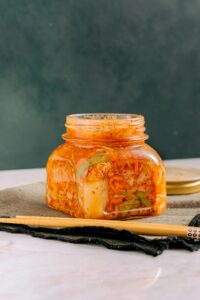 Kimchi: A Spicy, Bold, and Probiotic-Packed Delight
In contrast, kimchi is a spicy Korean ferment that has garnered international acclaim. Typically made from napa cabbage, radishes, and an array of seasonings, kimchi delivers a delightful zing to the palate. The fermentation process intensifies the flavour and bestows a wealth of health benefits. Rich in probiotics and vitamins, kimchi is excellent for gut health. Its vibrant and spicy flavours offer an exciting culinary adventure for those who enjoy bold tastes.
Dill Pickles: Crunchy, Zesty, and Irresistibly Delicious
Pickled cucumbers, affectionately referred to as dill pickles, present another refreshing option in the world of fermentation. Their satisfying crunch and zesty flavour make them a favourite for snacking, while they also add an extra burst of flavour to various dishes. The pickling process involves immersing cucumbers in a brine solution that can incorporate an assortment of spices and herbs. This method not only preserves the cucumbers but also transforms them into a delectable treat that elevates any meal.
Beyond the Basics: Exploring Miso, Kefir, and Other Unique Ferments
Venturing beyond these popular selections unveils a vast array of fermented foods awaiting your exploration. Miso paste offers a tangy richness, while kefir provides a light, fizzy appeal. Each fermented product possesses its own unique flavour profile and health benefits. As you delve into the world of DIY fermented foods and simple recipes for a healthier gut, take the time to experiment with different techniques. This hands-on approach will help you discover what aligns best with your taste and lifestyle, allowing you to create delightful combinations that suit your preferences.
Embracing these fermented foods not only enhances your overall health but also connects you to global culinary traditions. Sharing these dishes with friends and family offers more than just good food; it introduces them to a rich tapestry of flavours and cultural traditions, making your culinary journey even more rewarding and meaningful.
Exploring the Fermentation of Fruits and Dairy Products for Health Benefits
Fermented fruit chutneys present a delightful avenue for incorporating the advantages of fermentation into your diet while adding a burst of flavour to your meals. When you ferment fruits like mangoes and apples with spices, you create zesty chutneys that are full of flavour and pair beautifully with a wide range of dishes. These chutneys provide a tangy sweetness that elevates the overall flavour of your meals, while also supporting gut health, making them perfect companions for curries, sandwiches, and cheese platters.
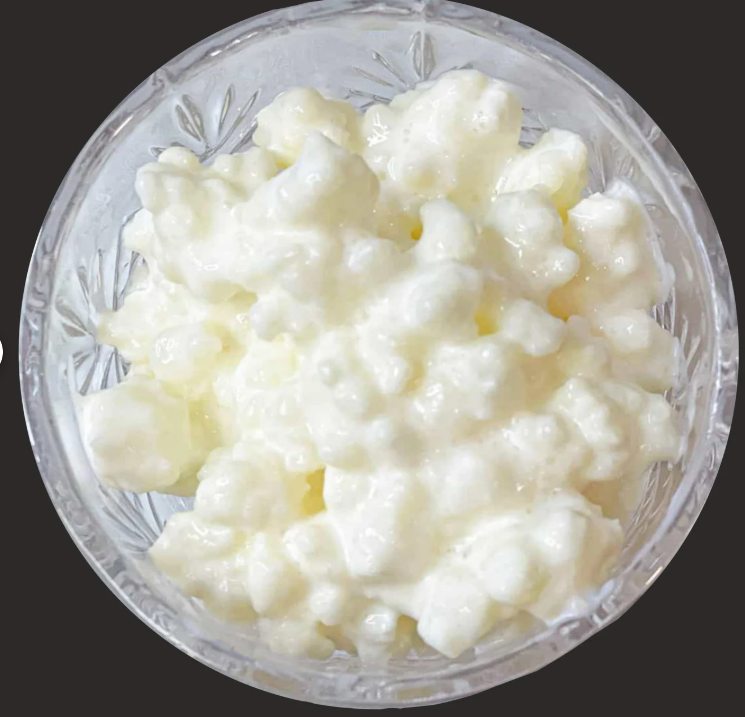
Probiotic-Rich Dairy: Easy-to-Make Yogurt and Kefir
Yoghurt and kefir are two dairy products abundant in probiotics, offering numerous health benefits. Fermenting milk with live cultures creates creamy, tangy yoghurt that you can savour in a variety of ways—as a breakfast staple, a smoothie base, or a refreshing dip.
In contrast, kefir possesses a thinner consistency and a slightly effervescent quality, making it an excellent drink for promoting gut health. Both yoghurt and kefir can be easily made at home, allowing for experimentation with flavours and ingredients tailored to your preferences.
Fizz with Benefits: Enjoying Fermented Fruit Juices
Fermented fruit juices represent an exciting frontier within the fermentation landscape. By fermenting fruit juices, you can craft healthy, fizzy beverages that are both refreshing and beneficial for gut health.
These drinks can vary from simple apple cider to more complex blends like ginger-pineapple or beet-carrot, offering a delicious way to stay hydrated while reaping probiotic benefits. As you explore fermenting fruits and dairy, you'll discover a multitude of flavours and textures that add depth and excitement to your culinary creations.
The versatility of these ingredients enables you to adapt recipes based on seasonal produce, personal preferences, or cultural inspirations. Embrace the creativity inherent in DIY fermented foods: simple recipes for a healthier gut, and relish the endless possibilities that fermentation offers.
The journey of fermentation transcends mere food preservation; it celebrates flavours, cultures, and health. By incorporating fermented fruits and dairy into your meals, you take significant steps toward a more balanced diet while exploring the rich and diverse world of global culinary traditions.
Common Inquiries About the Art of Fermentation
What is the simplest fermented food for beginners to try?
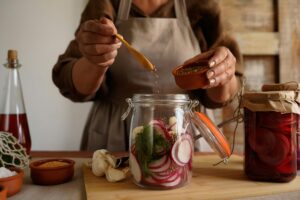 Sauerkraut is often recommended for novices due to its straightforward process and minimal ingredient requirements. Only cabbage and salt are necessary, making it an easily accessible project for anyone eager to explore the world of fermentation.
How long does it take for fermented foods to be ready for consumption?
The duration of fermentation can vary significantly based on the type of food and environmental conditions. Generally, most vegetable ferments require approximately 1 to 4 weeks to develop flavour, while dairy ferments like yoghurt may only take a few hours to a day.
Can I use regular table salt for my fermentation projects?
While table salt is usable, it is advisable to select non-iodised salts such as sea salt or kosher salt. These alternatives do not contain additives that could hinder fermentation and can enhance the flavour of your ferments.
How can I determine if my ferment has spoiled?
Signs of spoilage include unpleasant odours, unusual colours, or the presence of mould. If your ferment emits a sour or rancid smell instead of a pleasantly tangy aroma, it is best to discard it to mitigate any health risks.
Are there health benefits associated with consuming fermented foods?
Indeed, fermented foods are abundant in probiotics, which can enhance digestion, strengthen the immune system, and improve nutrient absorption. They are also linked to various health benefits, including better gut health and potential mood regulation.
Can I ferment fruits using the same techniques as vegetables?
Yes, fruits can be fermented, although the process may differ slightly. Due to their higher sugar content, fruits often ferment more quickly. Fermented fruit chutneys or juices are popular choices that yield delightful results.
Is it necessary to utilise a fermentation weight?
While using a fermentation weight is not obligatory, it is highly recommended. Weights help submerge the vegetables in the brine, minimising the risk of exposure to air and potential spoilage.
Can I enhance the flavour of my ferments with herbs and spices?
Absolutely! Incorporating herbs and spices can significantly enrich the flavour and complexity of your ferments. Ingredients such as garlic, dill, and mustard seeds can impart distinctive tastes to your fermented creations.
What is the best method for storing my fermented foods?
After fermentation, it is advisable to place your fermented foods in airtight containers. Store them in the refrigerator to slow down the fermentation process, which helps preserve their flavour and maintain their health benefits for an extended period.
Can I ferment non-dairy milk?
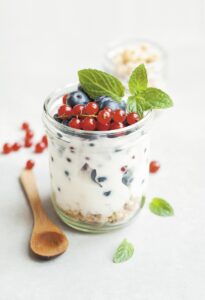 Yes, non-dairy milk can be fermented to create delicious plant-based yoghurts. By using options such as coconut, almond, or soy milk along with appropriate starter cultures, you can yield a probiotic-rich alternative to dairy.
Join us on Facebook for more tips and recipes!
The Article: DIY Fermented Foods: Easy Recipes for a Healthier Gut appeared first on https://janestevensnutrition.com


