
The Importance of Nutritional Supplements for Men's Health
Supplements are crucial for men, addressing nutritional deficiencies when dietary intake is insufficient. These products encompass vitamins, minerals, herbal extracts, amino acids, and various compounds designed to enhance health. They serve to elevate nutrient consumption, particularly for men experiencing physical stress, maintaining a poor diet, or leading demanding lifestyles. As the global awareness of nutritional deficiencies increases, the significance of supplements becomes ever more apparent. For men grappling with challenges like low energy levels, inadequate recovery, or age-related health issues, supplements can provide essential support. They empower men to remain robust, focused, and resilient in their daily lives.
Many men fall short of obtaining vital nutrients through their diets, which can hinder muscle growth, adversely affect mood, and weaken the immune system. For those engaged in rigorous training, managing stress, or attempting to lose weight, additional nutritional support is often necessary. This is where supplements become invaluable. They offer a convenient solution to meet health objectives without the need for significant lifestyle changes. Portable and easy to incorporate into daily routines, supplements provide an effective means to enhance overall well-being.
Identifying Common Nutritional Deficiencies in Men's Diets
 Key nutrients such as vitamin D, magnesium, and omega-3 fatty acids are often lacking in men’s diets, which are essential for heart health, cognitive function, and bone strength. One contributing factor may be the typical eating habits observed in men. Research indicates that men tend to consume more meat while incorporating fewer fruits and vegetables compared to women, which limits their intake of fibre, antioxidants, and a wide array of vitamins and minerals found in plant-based foods.
The consumption of convenience foods, coupled with high-intensity training and restrictive diets, can further diminish nutrient intake. The demands of intense physical activity and chronic stress heighten the body’s need for recovery nutrients such as magnesium and omega-3s. Moreover, the natural ageing process complicates the body’s ability to absorb and utilise nutrients effectively.
These combined factors lead to prevalent nutritional deficiencies. Supplements can effectively bridge these gaps, ensuring that men remain strong, energised, and mentally sharp throughout various stages of life.
Enhance Your Performance: Essential Supplements for Men’s Well-Being
Daily Multivitamins: Essential for Energy, Hormonal Balance, and Longevity
Daily multivitamins provide a practical solution for men to address nutritional gaps in their diets. They are instrumental in maintaining strength, focus, and resilience. Many men frequently skip meals or opt for unhealthy food choices due to stress and time constraints, which can lead to diminished energy levels and weakened immunity.
A male-specific multivitamin taken daily can support long-term vitality, fertility, hormonal equilibrium, and overall wellness. High-quality multinutrients for men transcend basic requirements by targeting aspects such as hormonal health, muscle function, fertility, and cognitive clarity. For example, the BioCare Male Multinutrient includes zinc, which is crucial for testosterone production, influencing mood, stamina, muscle development, and sexual health. (For a 10% discount on everything you buy, enter code P8824 when registering your account).
Testosterone levels start to decline around the ages of 30 to 40, leading to fatigue, low mood, decreased focus, and reduced libido. B vitamins assist in energy production and help combat tiredness, alongside regulating stress and maintaining cognitive sharpness.
Lycopene, a potent antioxidant, protects cells, particularly in the prostate, from damage and inflammation. Nettle root contributes to kidney function and urinary health, proving especially beneficial for men experiencing early signs of prostate enlargement. Busy lifestyles often prevent men from obtaining a comprehensive nutrient profile daily. A tailored multinutrient can help cover these essential needs.
Protein Powders: Convenient Solutions for Muscle Support and Recovery
Protein is crucial for the development, repair, and maintenance of muscle tissue. It also plays a significant role in hormone production, immune function, and the sensation of satiety. For men prioritising fitness, recovery, or healthy ageing, protein powders provide a convenient and effective method to fulfil daily protein requirements.
Whey protein is a fast-absorbing option ideal for recovery post-workout, containing all nine essential amino acids, including a high concentration of leucine, which triggers muscle protein synthesis. This makes whey one of the most potent supplements for promoting muscle growth.
Casein protein, which digests slowly, offers a gradual release of amino acids over several hours. This option is beneficial for supporting overnight muscle recovery and minimising muscle breakdown during extended fasting periods.
For those adhering to vegan or dairy-free diets, plant-based proteins such as pea, rice, or hemp serve as excellent alternatives. When combined, these proteins can deliver a comprehensive amino acid profile, effectively supporting muscle growth and recovery comparable to animal-based protein sources.
Protein powders are particularly advantageous for men with hectic schedules or increased nutritional demands. They can easily be incorporated into smoothies, oatmeal, or shakes, enhancing intake without complicated meal preparation. This accessibility makes them a valuable option for anyone looking to improve strength, recovery, or body composition.
Selecting a high-quality protein powder free from added sugars or artificial fillers is essential for achieving optimal results and minimising undesirable side effects. With consistent use, protein supplements can bolster men's strength, energy levels, and readiness to tackle daily life and training challenges.
Omega-3 Fatty Acids: Essential for Heart and Brain Health
Omega-3 fatty acids are crucial fats that significantly contribute to protecting cardiovascular health. They help reduce inflammation, lower blood pressure, and improve cholesterol levels, making them especially vital for men—who statistically face a higher risk of heart attacks compared to women, often at a younger age.
 Omega-3s help maintain the cardiovascular system by promoting elasticity in blood vessels and reducing plaque accumulation in arteries. Additionally, they assist in regulating heart rhythm, which mitigates the risk of life-threatening arrhythmias. Beyond supporting heart health, omega-3s enhance brain function, memory, and mood. They also alleviate joint stiffness and expedite recovery following physical exertion.
Incorporating oily fish such as salmon, sardines, and mackerel into the diet is essential for ensuring adequate omega-3 intake, with health professionals recommending consumption at least twice weekly. However, many men fail to meet this guideline.
Since many men do not consume enough fish regularly, omega-3 supplements present a practical alternative, particularly those rich in EPA and DHA. Opting for a high-quality fish oil or algae-derived supplement containing these fatty acids can effectively close the nutritional gap. Regular intake of omega-3s can aid men in safeguarding their heart health, sharpening cognitive function, and supporting overall longevity.
The Vital Role of Vitamin D in Men’s Health
Vitamin D is essential for maintaining strong bones, optimal muscle function, a robust immune system, and effective mood regulation. Despite its significance, many men fail to achieve adequate levels of vitamin D. This deficiency is particularly prevalent during the winter months when sunlight exposure is limited, but certain unique risk factors may also contribute. Some studies indicate that men may be slightly more susceptible to low vitamin D levels compared to women, potentially due to differences in body fat distribution, hormonal balance, sun exposure habits, and dietary choices.
Testosterone, the primary male hormone, may also influence vitamin D metabolism; conversely, estrogen enhances vitamin D activity in women, which may partly elucidate why men face a higher risk of deficiency.
Additionally, men often spend less time outdoors or wear clothing that limits sun exposure, thus reducing their capacity to synthesize vitamin D through their skin. Differences in dietary habits may also lead to lower consumption of vitamin D-rich foods such as oily fish, eggs, and fortified dairy products.
Vitamin D supplements can effectively restore healthy levels, particularly for men who work indoors or reside in northern climates. Regular blood tests can help monitor vitamin D status and inform appropriate dosing. Maintaining optimal vitamin D levels is crucial for bolstering bone density, enhancing muscle strength, and supporting a healthier immune system.
Magnesium: A Key Mineral for Optimal Health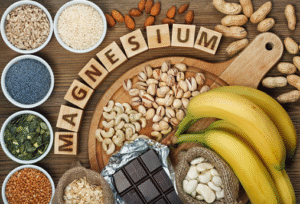
Magnesium is vital for numerous bodily functions, including muscle performance, energy production, nerve health, and quality sleep. It also plays a role in regulating stress levels and mitigating cramps, fatigue, and irritability. Despite its significance, many men do not meet their magnesium requirements. While deficiency can affect anyone, research indicates that teenage boys and men over 70 are more likely to experience low magnesium intake, which may result from poor dietary choices, inadequate consumption of magnesium-rich foods, or age-related changes in nutrient absorption.
Magnesium is essential for converting food into usable energy. It supports protein synthesis, making it crucial for muscle growth and recovery, particularly for active men. Low magnesium levels can hinder performance, slow recovery, and increase injury risk. Furthermore, magnesium has a calming effect on the nervous system, which can help reduce stress and enhance sleep quality. Men experiencing high levels of stress, sleep disturbances, or engaging in intense workouts may benefit significantly from increasing their magnesium intake.
Good sources of magnesium include leafy greens, whole grains, nuts, seeds, and legumes. However, many men still fall short, especially if their diets are heavily processed. In such cases, magnesium supplements offer an effective method of restoring balance and enhancing overall health.
Creatine: Boost Your Strength and Performance
Creatine is one of the most extensively studied and effective supplements available for enhancing strength, power, and lean muscle mass. It is particularly popular among men involved in weightlifting or high-intensity training, as it provides the energy needed for short, explosive movements such as sprinting or heavy lifting.
The body naturally synthesises creatine in the liver, kidneys, and pancreas but predominantly stores it in the muscles. Supplementing with creatine increases these stores, enabling men to train harder, lift more, and recover more rapidly between sets. Creatine not only supports athletic performance but also plays a crucial role in muscle growth. Enhanced training capacity stimulates greater muscle development over time, making it a go-to supplement for men focused on increasing strength and size in the gym.
As men age, muscle mass tends to decline—a process known as sarcopenia. This natural loss of muscle can lead to weakness, poor balance, and a slowing metabolism. Creatine may help mitigate this decline by preserving muscle strength and promoting hydration of muscle cells, even in older adults. Regular use of creatine may enhance cognitive function, facilitate recovery, and bolster cellular energy production. It is generally safe when used as directed; however, maintaining adequate hydration is essential.
For men aiming to preserve muscle mass, train at high levels, or counteract age-related strength loss, creatine is a powerful ally in any supplement regimen. Nevertheless, it is crucial to monitor intake, as excessive consumption can lead to kidney damage.
Understanding BCAAs (Branched-Chain Amino Acids)
BCAAs comprise three essential amino acids: leucine, isoleucine, and valine. These amino acids are vital for muscle repair and play a significant role in reducing exercise-induced fatigue. Since the body cannot synthesise BCAAs independently, they must be sourced from either food or supplements. BCAAs are directly transported to the muscles, bypassing the liver.
Many men utilise BCAAs to enhance workout performance and expedite recovery. They effectively mitigate delayed onset muscle soreness (DOMS) following exercise. Furthermore, BCAAs help prevent muscle breakdown during prolonged or intense training sessions, thus preserving lean muscle, particularly during dieting or fasting.
Leucine is particularly crucial for muscle protein synthesis, signalling the body to initiate muscle repair and growth. BCAAs can be consumed before, during, or after workouts, and many men prefer to mix them with water or shakes for convenience. For those who frequently train or lift heavy weights, incorporating BCAAs can significantly enhance performance and accelerate recovery between training sessions.
Beta-Alanine for Enhanced Performance
Beta-alanine is known for its ability to delay muscle fatigue by increasing carnosine levels within the muscles. Carnosine acts as a buffer against acid accumulation during rigorous exercise. When engaging in intense workouts, muscles produce lactic acid, which causes a burning sensation and limits performance. Beta-alanine alleviates this sensation by neutralising acid, enabling individuals to perform more repetitions or sustain longer durations of effort.
Men participating in high-intensity workouts or endurance training often experience significant benefits from beta-alanine. It enhances stamina, power, and overall training volume. Research indicates that beta-alanine can extend the time to exhaustion, allowing for longer training sessions before fatigue sets in. It is most effective when consumed consistently over time, as the effects accumulate with rising carnosine levels in the muscles.
Beta-alanine can sometimes cause a harmless tingling sensation in the skin, commonly felt in the face or arms. This effect is generally well-tolerated and can serve as a powerful addition to a workout routine, enhancing performance and reducing fatigue.
Importance of B Vitamins for Men’s Health
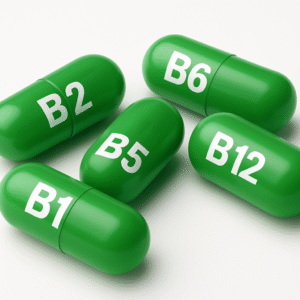 B vitamins play a critical role in supporting energy levels, mood stability, brain health, and the formation of red blood cells. These vitamins are crucial for daily functioning and overall vitality. Vitamin B12 is particularly important for DNA repair, nerve function, and mental clarity, primarily sourced from meat, fish, eggs, and dairy. Interestingly, studies suggest that men are more prone to B12 deficiency than women, even with similar or higher meat consumption.
One extensive study found that 25.5% of men experienced B12 deficiency compared to 18.9% of women. This finding was surprising, as men generally consume more meat, a primary source of B12. Factors such as genetic differences, gut health, and the body’s ability to absorb and utilise B12 may contribute to this disparity.
Symptoms of B12 deficiency can include fatigue, cognitive decline, low mood, and nerve tingling, yet many men remain unaware of their deficiency. Older men, vegans, and those with digestive issues are at higher risk and should regularly monitor their B12 levels for safety.
Other B vitamins, such as B6 and folate, also contribute to brain health, heart function, and energy metabolism. Leafy greens, legumes, whole grains, and eggs are excellent sources of these nutrients. Supplements can provide support when dietary sources are insufficient. Men experiencing fatigue, brain fog, or low mood may find benefit from a high-quality B-complex supplement.
The Role of Adaptogens in Stress Management
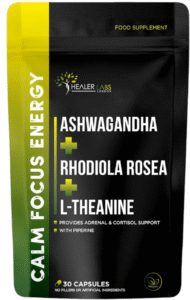 Adaptogens are natural herbs that assist the body in adapting to stress and maintaining balance under pressure. Ashwagandha and Rhodiola are among the most extensively researched adaptogens, known for their ability to enhance calmness, focus, and physical resilience. These herbs work by modulating cortisol levels, the body’s primary stress hormone. Elevated cortisol can sap energy, affect mood, and compromise immunity.
Men often contend with chronic stress stemming from work, financial pressures, or family responsibilities. This persistent tension can adversely impact both mental and physical health. Symptoms of stress in men may manifest as irritability, sleep disturbances, low libido, or fatigue. Adaptogens can alleviate these effects significantly. Ashwagandha has been shown to support testosterone levels, enhance sleep quality, and diminish anxiety, while also improving strength and aiding recovery from workouts.
Rhodiola enhances endurance and mental clarity, helping combat fatigue during demanding physical or mental tasks. For men juggling rigorous work schedules or intense gym routines, adaptogens can help sustain energy and emotional stability. Unlike sedatives, adaptogens assist the body in adjusting to stress more efficiently, making them safe for daily consumption.
Adaptogens can be taken in various forms, including capsules, powders, or teas, and most men tolerate them well when adhering to recommended dosages. For those seeking to remain sharp, composed, and energised amidst stress, adaptogens provide reliable and natural support.
Coenzyme Q10: A Vital Antioxidant for Energy Production
Coenzyme Q10 (CoQ10) is essential for cellular energy production, particularly in high-demand organs such as the heart and muscles. It functions as a powerful antioxidant, shielding cells from oxidative stress and promoting long-term health and vitality. Men may particularly benefit from CoQ10 due to its pivotal role in supporting heart health, fertility, and muscle function.
The heart requires significant energy, and CoQ10 helps fuel it while protecting it from free radical damage. Low levels of CoQ10 have been associated with an increased risk of heart disease, and supplementation may assist in managing blood pressure and enhancing cardiac performance. Men on statin medications often experience muscle pain or weakness, and CoQ10 can mitigate these side effects by restoring energy in muscle cells. Some studies indicate that CoQ10 may alleviate statin-related muscle discomfort, enabling men to maintain their cholesterol-lowering therapies.
CoQ10 may also promote male fertility. Oxidative stress can damage sperm cells, reducing their count, quality, and motility. Research suggests that CoQ10 supplementation can enhance sperm movement and concentration in men with certain fertility challenges. As men age, their natural levels of CoQ10 decrease, potentially affecting energy, endurance, and recovery from physical activity.
CoQ10 may help slow age-related decline by supporting energy production and mitigating cellular damage. Typical dosages range from 100 to 200 mg daily, and men with specific health concerns should consult a healthcare professional before commencing supplementation. For men focused on enhancing heart health, energy levels, and fertility, CoQ10 offers a valuable means of supporting long-term wellness.
Calcium: Essential for Bone and Muscle Health
Calcium is foundational for strong bones, healthy teeth, nerve function, and proper muscle contractions. While often associated with women’s health, men also require adequate calcium, particularly as they age.
 Bone density peaks at around age 30, after which men gradually experience bone mass loss, heightening the risk of fractures and osteoporosis. Many men are unaware that they can develop osteoporosis, a silent condition that often goes unnoticed until a fracture or injury occurs. Adequate calcium intake can help slow this loss and contribute to maintaining strong bones, while also supporting joint stability and posture as men age.
Men who engage in weight training or intense physical activity place additional stress on their bones and joints. Calcium helps the body manage this stress effectively. Sources of calcium include dairy products, leafy greens, tofu, and fortified foods. Nevertheless, many men fail to meet their calcium needs, especially those following restricted diets. Adequate vitamin D is also essential for optimal calcium absorption, so men should ensure sufficient intake of both nutrients to promote bone health.
Weight-bearing exercises are also vital for stimulating bone growth. Combining adequate calcium intake with regular physical activity yields the best outcomes. When dietary sources are insufficient, supplements can help men achieve their calcium requirements, particularly after age 50. Maintaining bone strength enables men to remain active, reduce injury risk, and enjoy better mobility in their later years.
Supporting Prostate Health: Essential Supplements and Dietary Choices
As men age, the importance of prostate health increases. Many will encounter prostate enlargement, medically referred to as benign prostatic hyperplasia (BPH). BPH can lead to frequent urination, weak urine flow, and disrupted sleep patterns. Certain supplements can alleviate these symptoms and promote urinary health.
Saw palmetto is among the most extensively researched herbs for supporting prostate health, with potential to alleviate urinary issues and reduce inflammation. Beta-sitosterol is another compound that has demonstrated promise in enhancing prostate health. Similar to saw palmetto, beta-sitosterol may assist in improving urinary flow and decreasing nighttime urination frequency. Integrating these supplements into a holistic approach to prostate health can offer men significant relief from uncomfortable symptoms.
 Additionally, stinging nettle (Urtica dioica) is often used in combination with saw palmetto to potentially reduce prostate size and alleviate symptoms. Pumpkin seed extract supports urinary flow and is rich in zinc, which plays a protective role for prostate cells against oxidative stress.
Zinc is vital for maintaining hormonal balance, as the prostate stores zinc, which may help prevent or mitigate enlargement. Lycopene, a powerful antioxidant found in tomatoes, serves to protect prostate cells, with cooked tomatoes offering the most bioavailable form of lycopene. Lycopene can be taken as a standalone supplement or as part of a men’s health multinutrient.
Selenium is another potent antioxidant that aids in cell protection and may reduce the risk of prostate cancer. Vitamin E also offers antioxidant benefits, potentially lowering the risk of cellular damage linked to cancer and ageing.
Enhancing Prostate Health Through Dietary Choices
Diet significantly influences prostate health. Specific foods contain nutrients that safeguard and nourish prostate tissue. Increasing the intake of cruciferous vegetables such as broccoli, cabbage, and cauliflower can provide compounds that may inhibit prostate cell proliferation.
 Berries are rich in antioxidants that combat inflammation and support cellular repair. Nuts and seeds, such as walmuts, Brazil nuts, and pumpkin seeds, provide healthy fats and essential minerals like zinc and selenium.
Omega-3 fatty acids present in salmon and sardines help reduce inflammation and promote prostate and heart health. Additionally, phytoestrogens found in soy and legumes may assist in balancing hormones and lowering prostate cancer risks. Legumes, including beans and lentils, offer fibre, antioxidants, and hormone-balancing phytoestrogens.
A nutritious diet, alongside targeted supplements, can empower men to maintain prostate function and decrease future health risks. Men over the age of 40 should remain vigilant about early symptoms and seek advice from healthcare professionals for personalised recommendations. Taking proactive measures now can safeguard long-term vitality, comfort, and quality of life.
Guidelines for Choosing the Right Supplements for Men
Given the vast array of supplements available on the market, navigating this landscape can be overwhelming. To select the most suitable supplements, men should assess their specific health needs, which involves identifying any nutritional deficiencies, health conditions, or fitness goals that could dictate their requirements.
Consulting with healthcare professionals is a crucial step in this process. A healthcare provider can offer personalised recommendations based on blood tests and comprehensive health evaluations, ensuring that supplement choices are tailored to individual circumstances rather than being based on trends alone.
Quality and safety should be paramount when selecting supplements. Men are encouraged to seek products that have undergone independent testing for purity and potency. Opting for reputable brands with transparent ingredient lists can provide assurance that the supplements consumed are both safe and effective.
Moreover, it is essential to consider dietary restrictions or allergies. For example, men following a vegan diet may need to explore plant-based protein sources or vitamin B12 supplements to meet their nutritional needs. By approaching supplement selection thoughtfully and with professional guidance, men can significantly enhance their health and well-being.
Understanding Potential Risks and Side Effects Associated with Supplements
 While supplements can offer numerous health benefits, men must remain aware of the potential risks and side effects associated with their use. Supplements are not without dangers, and improper usage can lead to adverse health outcomes.
A significant concern is the risk of allergic reactions. Certain supplements may contain ingredients that could trigger allergies in specific individuals. It is vital for men to thoroughly examine labels and consult with healthcare providers to avoid potential harmful reactions.
Interactions with medications also require careful consideration. Some supplements may interfere with prescription drugs, diminishing their effectiveness or leading to unintended side effects. To ensure safe and effective treatment plans, men should disclose all supplements they are taking to their healthcare providers.
Overdosing presents another serious risk, particularly with fat-soluble vitamins such as A, D, E, and K, which can accumulate excessively in the body. This accumulation can result in toxicity and significant health complications. Adhering to recommended dosages and avoiding excess consumption without professional guidance is critical.
By being aware of these potential risks and approaching the supplement landscape judiciously, men can minimise adverse effects while maximising the health benefits of their chosen products.
Everyday Health Tips for Men Using Supplements
- Consume whole foods abundant in nutrients such as leafy greens, oily fish, and nuts.
- Stay adequately hydrated, as water aids in the absorption and utilisation of supplements.
- Engage in daily physical activity, as exercise enhances circulation and supports nutrient delivery.
- Prioritise quality sleep of at least 7 hours per night to allow the body to repair and rejuvenate.
- Limit alcohol consumption and ultra-processed foods, which may hinder nutrient absorption.
Empower Your Health: Take Control of Your Well-Being
While supplements are not a panacea, they provide valuable support for contemporary lifestyles. When utilised wisely, they assist men in maintaining energy, strength, focus, and overall vitality.
Select high-quality products consistently and consider lifestyle modifications that complement your supplement regimen. Small daily habits accumulate, leading to significant health improvements.
Frequently Asked Questions About Nutritional Supplements
Which Supplements Are Most Beneficial for Men?
The most advantageous supplements for men typically include multivitamins, protein powders, omega-3 fatty acids, and testosterone boosters. Each serves specific health purposes, ranging from muscle development to cardiovascular support.
How Can I Assess My Need for Supplements?
Evaluate your dietary intake while considering lifestyle factors, stress levels, and health concerns. Consulting a healthcare professional can assist in identifying your specific needs.
Can Supplements Replace a Healthy Diet?
Supplements should complement a healthy diet rather than replace it. Obtaining nutrients from whole foods is essential, with supplements serving to fill any nutritional gaps.
Are There Risks Linked to Taking Supplements?
Yes, potential risks include allergic reactions, interactions with medications, and the possibility of overdosing. Consulting a healthcare professional before initiating any new supplements is crucial.
What Are the Health Benefits of Omega-3 Fatty Acids for Men?
Omega-3 fatty acids are vital for promoting heart health, reducing inflammation, and potentially improving cognitive function, making them essential for men’s overall health.
How Do B Vitamins Contribute to Mood Regulation?
B vitamins, particularly B12 and folate, are essential for neurotransmitter function, aiding in mood regulation and potentially alleviating symptoms of depression.
How Should I Choose the Right Protein Supplement?
Select a protein supplement based on your dietary needs and fitness objectives, ensuring it is of high quality and devoid of unnecessary additives.
Is It Safe to Take Multiple Supplements Together?
While many men can safely take multiple supplements, it is important to consult with a healthcare provider to prevent potential interactions and ensure appropriate dosing.
What Are Adaptogens and How Do They Aid Stress Management?
Adaptogens are natural substances that help the body cope with stress. They can lower cortisol levels and encourage relaxation, thus supporting overall mental well-being.
What Is the Optimal Timing for Taking Supplements?
Timing may vary; however, consuming certain supplements alongside meals can enhance absorption. Refer to product labels or consult a healthcare provider for tailored recommendations.
Connect with us on Facebook!
The Article: The Complete Guide to Supplements for Men: What to Take and Why appeared first on https://janestevensnutrition.com

